Energy Management vs Time Management: Why Managing Time Isn't Enough
Why managing your time isn't enough to prevent burnout, what energy management means, and how to work with your energy instead of just your schedule.

Most of us are taught to manage our time — to schedule, optimise, and squeeze more into the hours. But you can have a perfectly organised calendar and still be exhausted, because time isn't the only thing that's limited. Your energy is too, and it doesn't refill just because there's a free slot in your day. Energy management is the missing piece that time management alone can't provide.
This is a guide to energy management versus time management: why managing time isn't enough, and how to work with your energy instead.
The limits of time management
Time management treats every hour as equal and asks how to fit the most into them. But an hour when you're fresh and an hour when you're depleted are not the same — you can do in thirty rested minutes what takes two exhausted hours. A packed, efficient schedule that ignores your energy just means doing more while running on empty, which is a straight path to burnout. Managing time without managing energy optimises the wrong thing.
What is energy management?
Energy management means treating your energy — physical, mental, and emotional — as the key finite resource, and organising your life around it rather than only around the clock. Instead of asking 'how do I fit more in?', it asks 'how do I protect and spend my energy well?' That includes noticing what depletes and what restores you, doing demanding work when your energy is highest, and building in recovery so the reserve doesn't run dry. Time is the container; energy is what actually gets things done.
Working with your energy
Energy isn't constant — it rises and falls through the day and the week. Energy management means working with those rhythms rather than against them: doing your most demanding, important work when your energy naturally peaks, and saving low-energy times for easier tasks or rest. Fighting your rhythm — forcing hard work when you're depleted — wastes energy and produces worse results. Aligning your demands with your energy gets more done at far less cost.
Protecting and replenishing your energy
Beyond timing, energy management is about guarding the resource itself. That means noticing your drains — the tasks, people, and habits that deplete you — and limiting them where you can, while deliberately building in the things that restore you. It also means protecting recovery as seriously as you protect your commitments, since an unreplenished reserve eventually empties no matter how well you schedule. Managing energy is as much about refilling as it is about spending. (Decision fatigue, where deciding itself drains you, is a good example of an energy cost that time management ignores.)
How to start managing your energy
Begin by simply noticing: track when your energy is high and low, and what lifts or drains it. Then make small shifts — align demanding work with your peaks, protect your recovery, reduce your biggest drains, and stop treating every hour as interchangeable. You don't need a perfect system; even loosely working with your energy rather than ignoring it makes a real difference to how sustainable your days feel.
The fuller picture
Exhaustion despite a full, well-run calendar often gets read as a scheduling failure: if I'm still this tired, I mustn't be organised enough — I just need a better system, tighter planning, a way to fit it all in properly. It feels true because managing time is the one lever we're all taught to pull, so when the tiredness won't lift, the obvious move is to pull it harder.
But time and energy are two different resources, and no schedule can refill an empty one. An hour on the calendar isn't an hour of capacity — you can be perfectly organised and completely depleted, because planning arranges your hours without restoring what powers them. Optimising time while ignoring energy just means fitting more in while running on empty, which is a path into burnout, not out of it. The problem was never that you planned badly; it's that no amount of planning replenishes a drained reserve. The shift that actually helps isn't a tighter system — it's protecting and refilling your energy, and spending it where it counts, instead of asking the clock to do a job the clock was never able to do.
Final thoughts
If you're organised and still exhausted, the missing piece may be that you've been managing your time but not your energy. Your hours matter, but your energy is what actually powers your life — and it deserves at least as much care as your calendar. Working with your energy, protecting it, and replenishing it isn't a productivity hack; it's how you get things done without burning out. One well-timed task, one protected reserve at a time.
Try a gentle practice
Managing your energy starts with noticing it — catching when you're depleted before you push past it. Observe is a gentle practice for exactly that — a way to step back and notice your own state with honest attention, so you can read your energy levels and work with them rather than overriding them until you crash.

Try the practice
Observe
Let's step back and see more clearly
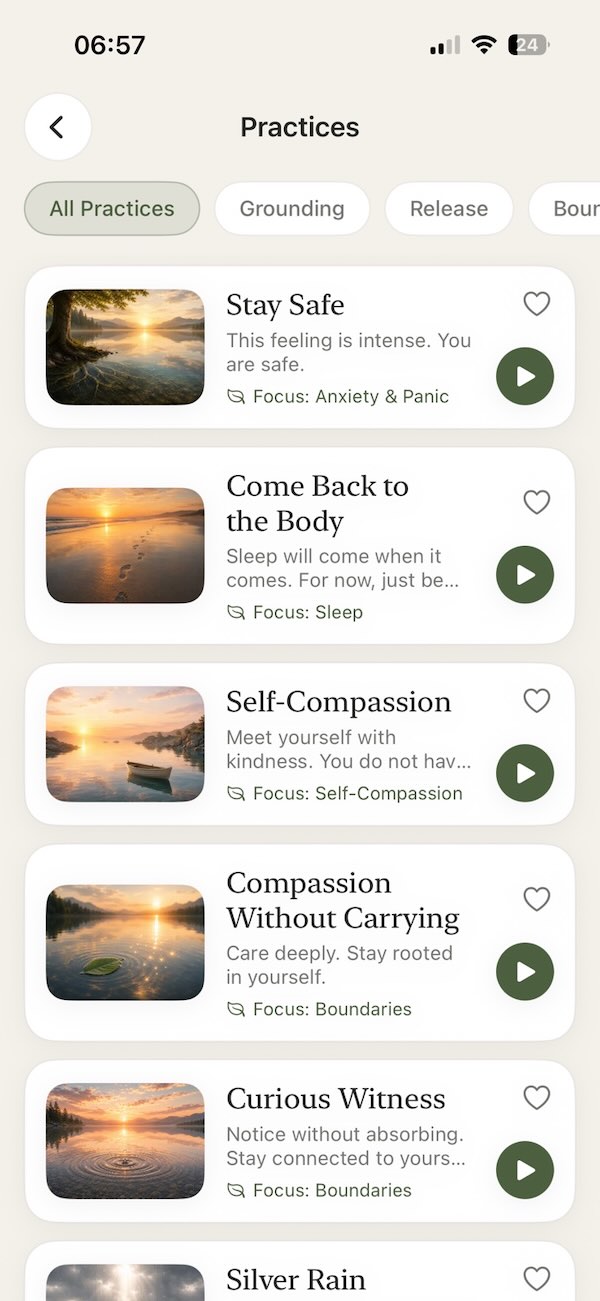
Ready for more support?
Continue your journey in Aira
Access the full library of guided practices, tools, and resources anytime, anywhere.
- 10+Guided Practices
- AnxietyRelief Tools
- SleepSupport
- TrackYour Progress
- OfflineAccess
Available on iPhone and iPad