Stress Symptoms: The Physical and Emotional Signs of Stress
The physical, emotional, mental, and behavioural symptoms of stress, why stress shows up in the body, and when stress symptoms are worth attention.

Stress doesn't only live in your thoughts — it shows up throughout the body and mind, often in ways people don't immediately connect to stress. Tense shoulders, a short fuse, trouble sleeping, a racing mind: these can all be stress speaking. Learning to recognise your own stress symptoms is the first step to addressing them before they build.
This is a guide to the symptoms of stress: how it shows up physically, emotionally, mentally, and in behaviour — and when to take notice.
Why stress causes symptoms
Stress is a whole-body response. When you're stressed, your nervous system activates and floods the body with stress hormones, priming you for action — which affects your muscles, heart, breathing, digestion, sleep, mood, and thinking all at once. That's why stress symptoms are so varied and physical: they're the body running in a state of activation. The signs aren't 'in your head'; they're the felt effects of a system geared up to cope.
Physical symptoms
Stress commonly shows up in the body as muscle tension — tight shoulders, neck, jaw, or a clenched body; headaches; fatigue and low energy; a racing or pounding heart; shallow breathing; digestive trouble such as stomach aches, nausea, or changes in appetite; disturbed sleep; and a generally run-down feeling, including getting sick more easily. Many people carry stress physically for a long time without naming it as stress, putting the aches and exhaustion down to something else.
Emotional symptoms
Emotionally, stress can show up as irritability and a short temper; feeling overwhelmed or unable to cope; anxiety, worry, or a sense of dread; low mood or tearfulness; restlessness or feeling on edge; and a loss of enjoyment or motivation. Stress narrows your emotional bandwidth, so things that wouldn't normally bother you suddenly feel like too much. Feeling emotionally raw or reactive is often one of the clearest signs that stress has built up.
Mental and behavioural symptoms
Stress also affects the mind and behaviour. Mentally, it can bring a racing mind, difficulty concentrating, forgetfulness, indecision, and constant worrying. Behaviourally, it can show up as changes in eating or sleeping, withdrawing from people, procrastinating or struggling to get things done, restlessness, or leaning more on habits like alcohol, caffeine, or scrolling to cope. These shifts are the outward signs of a system under load, even when you haven't consciously registered how stressed you are.
When to pay attention to stress symptoms
Occasional stress symptoms are a normal part of life and usually ease once the stressful period passes. It's worth paying closer attention when symptoms are persistent, intense, or stacking up — when they don't lift, start affecting your health, sleep, relationships, or daily functioning, or tip into constant exhaustion and dread. Ongoing physical or emotional symptoms of stress can signal chronic stress or burnout, and are worth addressing — and, if they persist, worth raising with a doctor, partly to rule out other causes.
Final thoughts
The symptoms of stress are your body and mind signalling that they're carrying more than they can easily handle. Learning to read your own signs — the tight shoulders, the short fuse, the racing mind — lets you catch stress and respond to it earlier, before it builds into something heavier. Your symptoms aren't weakness or imagination; they're useful information. Listening to them is the first step toward relief. One noticed signal at a time.
Try a gentle practice
Catching stress early starts with noticing what's happening in your body and mind. Observe is a gentle practice for exactly that — a way to check in with your inner state with calm, non-judgmental attention, helping you recognise the signs of stress early enough to respond before they build.

Try the practice
Observe
Let's step back and see more clearly
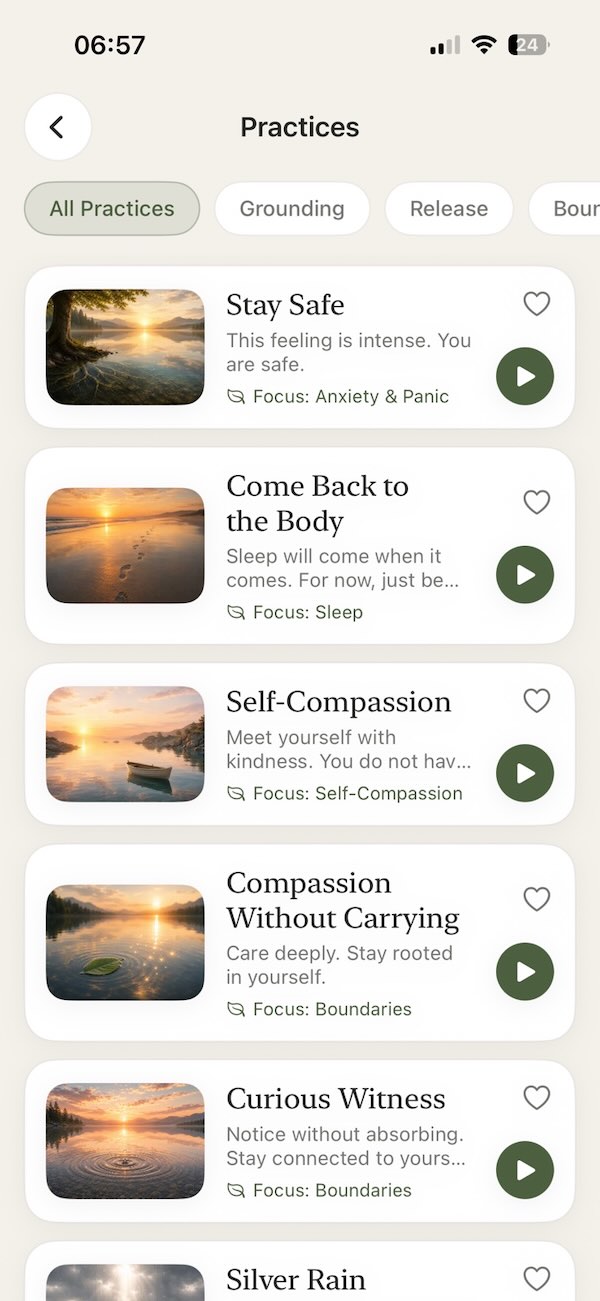
Ready for more support?
Continue your journey in Aira
Access the full library of guided practices, tools, and resources anytime, anywhere.
- 10+Guided Practices
- AnxietyRelief Tools
- SleepSupport
- TrackYour Progress
- OfflineAccess
Available on iPhone and iPad