What Anxiety Really Feels Like in the Body
Anxiety often shows up in the body before the mind — chest tightness, nausea, dizziness, shakiness, and fatigue. A clear look at what anxiety really feels like and why.

If you've ever wondered "is this anxiety?", you're not alone. Many people expect anxiety to feel like worry, but anxiety often feels physical before it feels emotional. You may notice a tight chest, a racing heart, a knot in your stomach, or a sense of nervous energy that won't settle — sometimes feeling exhausted and restless at the very same time. These experiences can be confusing, especially when they seem to appear without warning. Understanding what anxiety feels like in the body can make the whole experience feel less frightening and less mysterious.
Anxiety Is More Than Worry
When people think about anxiety, they often imagine racing thoughts or constant worry. But anxiety symptoms can affect the entire body, because anxiety is a nervous system response. When the brain perceives a possible threat, the body prepares to respond, and this stress response can create a wide range of physical anxiety symptoms. Many of the sensations people associate with anxiety are actually signs that the nervous system has shifted into a state of protection.
Common Anxiety Symptoms
Anxiety symptoms vary from person to person. Some people experience mostly emotional anxiety symptoms, others mostly physical symptoms, and many experience both. Common anxiety symptoms include:
- racing thoughts
- restlessness
- feeling on edge
- nervous energy
- muscle tension
- chest tightness
- fatigue
- overwhelm
- difficulty concentrating
- sleep disturbances
- shakiness
- dizziness
- nausea
- increased heart rate
These symptoms can come and go, or they may linger throughout the day.
Anxiety in the Body
Many people experience anxiety primarily through body sensations, and it can help to know what some of the most common ones actually feel like.
Anxiety and Chest Tightness
One of the most common physical anxiety symptoms is chest tightness. It can feel like pressure in the chest, difficulty taking a full breath, tension around the ribs, or a sensation of heaviness. Although these sensations can feel alarming, they're often related to muscle tension and changes in breathing patterns during stress.
Anxiety and Muscle Tension
Anxiety and tension often go hand in hand, because the body prepares for action by tightening muscles. You may notice tension in the shoulders, neck, jaw, back, or stomach. Over time, this tension can contribute to headaches, soreness, and physical exhaustion.
Anxiety and Nausea
The digestive system is closely connected to the nervous system, so when anxiety increases, digestion often slows down. This can create nausea, stomach discomfort, loss of appetite, and general digestive upset. Many people are surprised to learn how strongly anxiety can affect the gut.
Anxiety and Dizziness
Dizziness is another common anxiety symptom. It may feel like lightheadedness, unsteadiness, a sense of being disconnected, or a floaty feeling. Changes in breathing, muscle tension, and nervous system activation can all contribute to these sensations.
Anxiety and Shakiness
Anxiety often creates extra energy in the body, which can show up as trembling hands, internal shaking, fidgeting, or difficulty sitting still. The body is preparing for action even when no action is needed.
Emotional Anxiety Symptoms
Anxiety isn't only physical — emotional anxiety symptoms can be just as intense. You may notice constant worry, fear of future events, difficulty relaxing, irritability, emotional overwhelm, a feeling of being disconnected, or a sense of being unable to switch off. Sometimes emotional anxiety feels like carrying an invisible weight throughout the day.
Anxiety and Overwhelm
Many people experience anxiety and overwhelm together. When the nervous system becomes overloaded, even small tasks can begin to feel difficult, and you may feel mentally exhausted, emotionally flooded, unable to focus, unable to make decisions, or easily overstimulated. Anxiety and overwhelm symptoms often appear during stressful periods, when the nervous system has been carrying too much for too long.
Anxiety and Racing Thoughts
One of the most recognizable signs of anxiety is racing thoughts. The mind begins scanning for possible problems — what if something goes wrong? what if I forget something? what if I'm not prepared? The brain is trying to create safety by anticipating future threats, but this usually creates more anxiety rather than less.
Anxiety and Feeling on Edge
Many people describe anxiety as a feeling of being constantly alert. Even when nothing is happening, the body feels prepared for something, which can look like startling easily, struggling to relax, scanning for problems, feeling restless, or quietly expecting bad news. This experience is often a sign that the nervous system remains activated.
Anxiety and Exhaustion
One of the most misunderstood symptoms of anxiety is fatigue. People often assume anxiety creates energy, but in reality anxiety can be incredibly exhausting, because the nervous system uses significant energy whenever it stays in a protective state. This is why anxiety and fatigue so frequently occur together, and why you may feel mentally drained, physically tired, and emotionally depleted even after a relatively ordinary day.
Severe Anxiety Symptoms
During periods of intense anxiety, symptoms may feel stronger. Symptoms of severe anxiety can include intense chest tightness, a rapid heartbeat, dizziness, trembling, nausea, overwhelming fear, difficulty concentrating, and a feeling of being detached from your surroundings. Although these experiences can feel frightening, they're usually signs of a highly activated nervous system rather than signs of immediate danger.
Why Anxiety Feels So Physical
Many people ask, "why does anxiety feel physical if it's emotional?" The answer is that anxiety isn't only emotional — it affects the entire nervous system, and the body and mind are constantly communicating. When the nervous system detects danger, physical sensations often appear before conscious thoughts, which is why anxiety's physical sensations can feel so immediate and convincing. The body is responding exactly as it was designed to.
The fuller picture
When anxiety hits the body hard, the mind tends to jump to one conclusion: my chest is tight, my heart's racing, I feel dizzy — this can't just be anxiety, something must be physically wrong with me. It's an understandable leap, because the sensations are real and strong and often arrive with no obvious cause, so the mind reaches for a bigger explanation.
But here's the part that's easy to miss: these sensations are loud precisely because your body is doing its protective job well, not because it's breaking. A pounding heart, a tight chest, a wave of dizziness — that's the fingerprint of an activated nervous system, not evidence of damage. They can feel dangerous while being exactly what they were built to do. (If something is new, severe, or you're genuinely unsure, getting it checked is always wise — but for most people, most of the time, "this is my body protecting me" is both truer and far calmer than "something is wrong with me.")
Final Thoughts
Anxiety symptoms can be uncomfortable, confusing, and sometimes overwhelming. But understanding anxiety in the body can help you respond with more awareness and less fear. The tight chest, the racing thoughts, the nervous energy, the fatigue, the restlessness — these experiences aren't proof that something is wrong with you. They're often signs that your nervous system is working hard to protect you. The goal isn't to eliminate every sensation, but to meet those sensations with understanding, patience, and support. One breath, one moment, one gentle return to yourself at a time.
Frequently asked questions
Can anxiety cause physical symptoms with no worry at all?
Yes — and it surprises a lot of people. The nervous system can fire off the stress response before any anxious thought appears, so you can feel a racing heart, a tight chest, or restlessness while your mind feels perfectly calm. The body often reacts first; the worry, if it comes, comes second.
Where do you feel anxiety in the body?
It varies from person to person, but the usual places are the chest (tightness, a pounding heart), the stomach (nausea, butterflies, a knot), the shoulders, neck, and jaw (tension), the head (dizziness or a foggy, floaty feeling), and the hands (shakiness). Most people have their own signature spots where it tends to land.
How do I know if it's anxiety or a heart problem?
This is the honest one: from the sensations alone you often can't tell them apart, because anxiety and heart symptoms can feel very similar — so it isn't something to settle with an article. If you have chest pain, especially if it's new, severe, or comes with breathlessness, pain spreading to the arm or jaw, or a real sense of alarm, treat it as medical and get it checked — urgently if needed. Once a doctor has ruled out a physical cause, it becomes much easier to recognise the same sensations as anxiety next time.
How long do anxiety symptoms last in the body?
It depends on the kind. A sharp surge of anxiety often peaks and then eases within minutes to an hour as the stress response burns off. A lower background hum can linger for hours, or most of a day, especially if your nervous system hasn't had a chance to recover. Either way, the sensations rise and fall — they don't stay at full volume forever.
Try a gentle practice
When anxiety shows up in the body, it's easy to become focused on what feels uncomfortable — the tightness, the restlessness, the sensations that seem to demand your attention. Come Back to the Body is a gentle practice for exactly those moments: a way to shift from analyzing your body to simply being with it, reconnecting with yourself through presence, curiosity, and gentle awareness.

Try the practice
Come Back to the Body
Come back from thoughts to sensation.
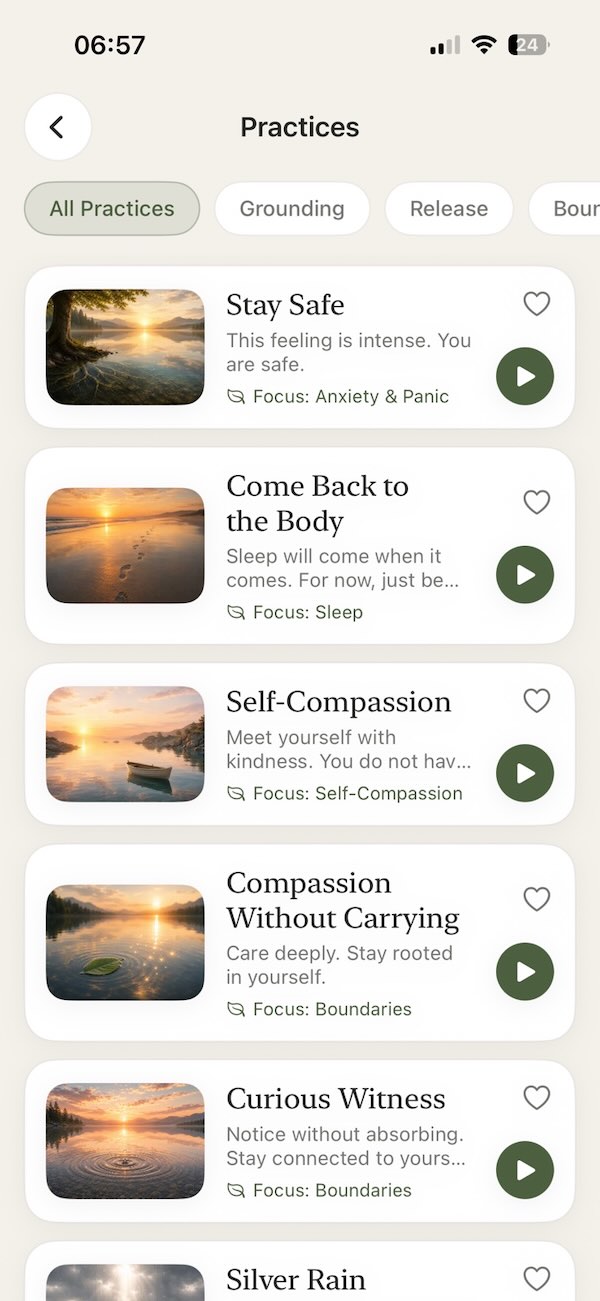
Ready for more support?
Continue your journey in Aira
Access the full library of guided practices, tools, and resources anytime, anywhere.
- 10+Guided Practices
- AnxietyRelief Tools
- SleepSupport
- TrackYour Progress
- OfflineAccess
Available on iPhone and iPad