Anxiety vs Stress: What's the Difference?
Stress and anxiety feel almost identical from the inside, but they aren't the same. How they differ in cause and timing, how stress becomes anxiety, and what helps each.
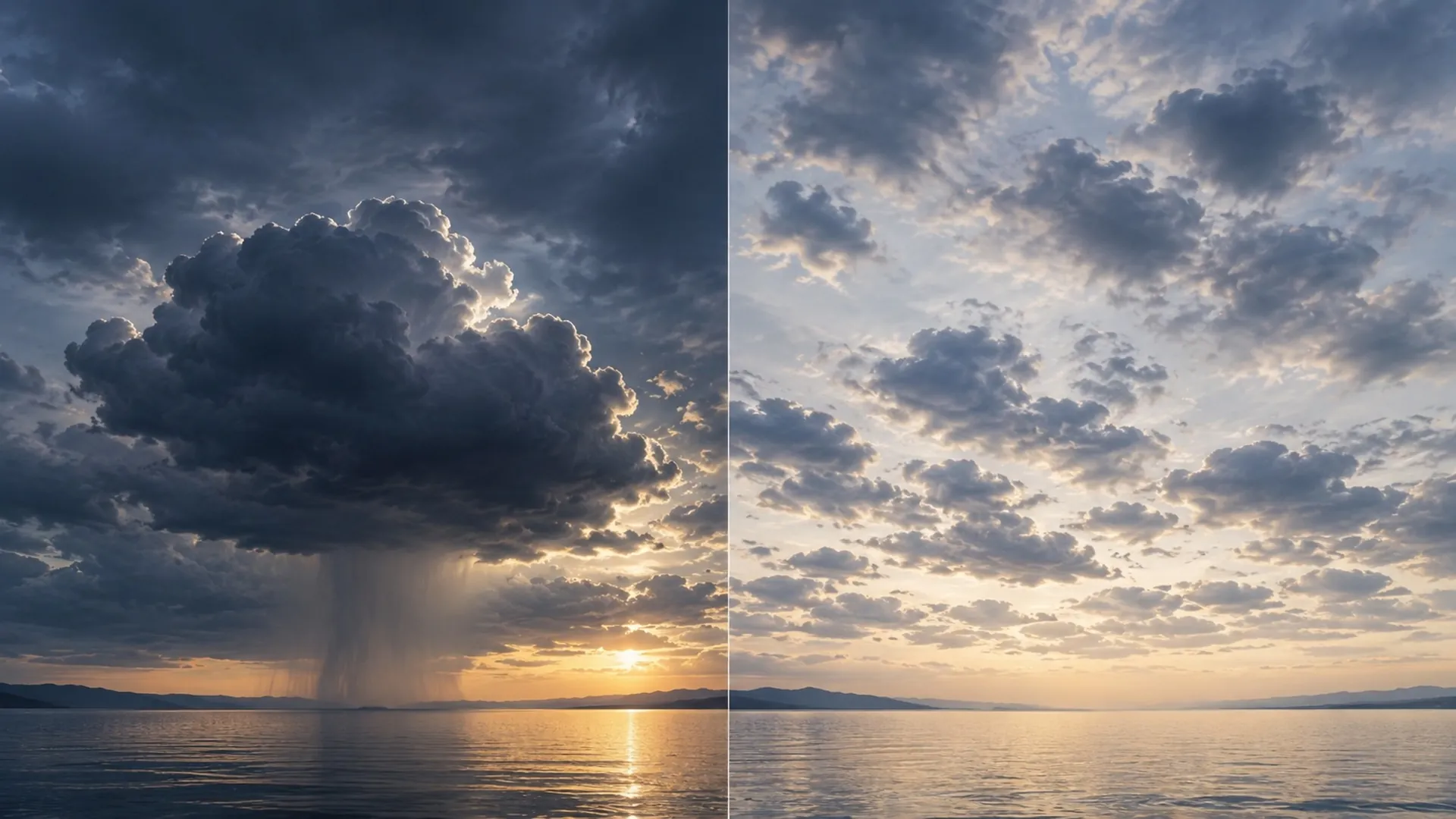
"Stress" and "anxiety" are often used to mean the same thing, and they can feel almost identical from the inside — tension, a racing mind, trouble sleeping, a body that won't settle. But they aren't quite the same, and understanding the difference can help you respond to each in the way it actually needs.
What stress is
Stress is the body's response to a demand or pressure in your life — a deadline, a difficult conversation, money worries, too much to do. It's a reaction to something real and identifiable, and it tends to ease once the situation does. Stress isn't inherently harmful; in short bursts it can sharpen focus and help you rise to a challenge. The problem comes when it becomes constant, with no recovery between demands.
What anxiety is
Anxiety is the body's response to a perceived threat — and crucially, that threat is often anticipated rather than present. Where stress usually points to something happening now, anxiety tends to live in what might happen: the worry, the what-ifs, the sense that something could go wrong. Anxiety can appear without an obvious trigger, and it often lingers even when life is objectively calm.
The key difference
The simplest way to tell them apart is to look at the trigger and the timing. Stress usually has a clear, external cause and fades when that cause resolves. Anxiety often has no single identifiable cause, focuses on the future, and persists even after the stressful situation has passed. Put simply: stress tends to be a response to something real and current, while anxiety is often a response to something imagined or anticipated.
Why they're so easily confused
Stress and anxiety share much of the same machinery. Both activate the body's stress response, so both can bring a racing heart, shallow breathing, muscle tension, irritability, difficulty concentrating, and disrupted sleep. From the inside, the physical experience can be nearly indistinguishable. The difference is less in how they feel and more in where they come from and how long they last.
How stress turns into anxiety
The two are closely linked, and one often feeds the other. Prolonged stress keeps the nervous system in a state of heightened alertness, and over time that system can begin treating ordinary situations as threats — which is anxiety. Many people notice that after a long, demanding period the stress doesn't simply end; it leaves behind a more general, free-floating anxiety. In this way, chronic stress can become a doorway into anxiety.
When it might be more than stress
Everyday stress and anxiety are part of being human. It may be worth paying closer attention when worry becomes constant, feels out of proportion to what's happening, persists even when life is calm, and starts interfering with sleep, work, relationships, or daily functioning. Stress that never lets up, or anxiety that runs in the background most days, is a sign your nervous system has been carrying too much for too long — and may need more support than self-help alone.
What helps
Because stress and anxiety share the same nervous system, much of what helps overlaps: slow breathing, grounding, regular sleep, gentle movement, time in nature, and connection with people you trust. With stress, the most useful move is often to genuinely reduce the load and protect recovery. With anxiety, the work is usually more about changing your relationship with worry and uncertainty — learning that an anxious thought isn't a fact, and that you don't have to resolve every what-if. Both respond far better to safety and recovery than to pushing harder.
The fuller picture
When there's no obvious crisis in front of you, the mind often turns on you: nothing is even wrong right now, so I have no reason to feel like this — I'm just overreacting. It's an easy trap, because stress comes with a visible cause and anxiety often doesn't, so the missing reason feels like proof you're being silly.
But "no reason" isn't the same as "no cause." Anxiety responds to anticipated threat, not just present danger — it's often the leftover hum of a nervous system that stayed on alert too long. You're not overreacting to nothing. Your body is reacting to something real that simply isn't in the room right now.
When to seek support
If stress or anxiety is persistent, overwhelming, or affecting your health, relationships, or ability to function, it's worth speaking with a doctor or therapist. Reaching out isn't a sign that you've failed to cope — it's a way of giving an overworked nervous system the support it's been asking for.
Frequently asked questions
What's the difference between stress and anxiety?
Stress is usually a response to a real, identifiable pressure and tends to ease once that pressure resolves. Anxiety is often a response to an anticipated or imagined threat, can appear without a clear cause, and tends to persist even when life is calm.
Can stress cause anxiety?
Yes. Prolonged stress keeps the nervous system on high alert, and over time it can begin treating ordinary situations as threats. Many people find that a long stretch of stress leaves behind a more general, lingering anxiety.
Do stress and anxiety feel the same?
They can feel almost identical, because both activate the body's stress response — racing heart, tension, irritability, trouble sleeping, and a busy mind. The difference is less in the sensations and more in the cause and how long they last.
How do I know if it's stress or anxiety?
A rough guide: if there's a clear external cause and the feeling eases once the situation resolves, it's likely stress. If the worry is future-focused, has no obvious trigger, and persists even when things are calm, it leans more toward anxiety.
When should I get help for stress or anxiety?
If either is constant, feels out of proportion, or is interfering with sleep, work, relationships, or daily life, it's worth speaking with a doctor or therapist. Persistent stress or anxiety often signals a nervous system that needs more support than self-help alone.
Try a gentle practice
Stress and anxiety both leave the body holding tension it doesn't know how to release. Soften is a calming practice for those moments — a way to let go of some of the pressure you've been carrying, ease physical tension, and give your nervous system a little of the recovery it's been needing.

Try the practice
Soften
Let's release what you are holding
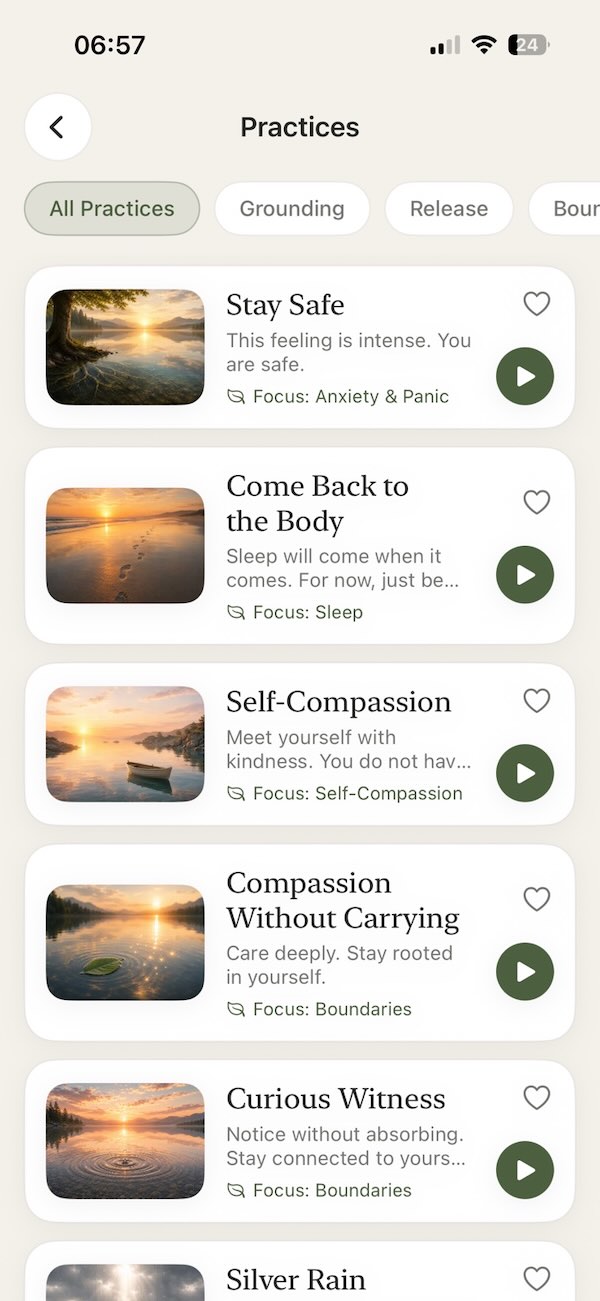
Ready for more support?
Continue your journey in Aira
Access the full library of guided practices, tools, and resources anytime, anywhere.
- 10+Guided Practices
- AnxietyRelief Tools
- SleepSupport
- TrackYour Progress
- OfflineAccess
Available on iPhone and iPad