Anxiety Relief: 7 Gentle Techniques to Calm Anxiety Naturally
Simple, gentle techniques to calm anxiety naturally — breathing, grounding, self-compassion, and movement to find relief one moment at a time.

If you're searching for anxiety relief, you're probably not looking for a perfect solution. You simply want the feeling to soften — the racing thoughts, the tight chest, the constant sense of worry, the feeling that something might go wrong even when everything seems fine. Anxiety can be exhausting, affecting your sleep, concentration, relationships, and ability to enjoy everyday life. The good news is that there are many gentle, practical anxiety relief techniques that can help calm anxiety naturally, and small changes often create meaningful shifts in how your mind and body respond to stress. Whether you're looking for quick anxiety relief, daily anxiety relief habits, or healthy ways to manage anxiety long-term, these simple strategies can help.
1. Start with the Body, Not the Thoughts
When anxiety is high, the mind often searches for answers — why am I feeling this way? what if something is wrong? how do I make this stop? Unfortunately, trying to think your way out of anxiety often creates even more anxiety. Instead, begin with the body. Notice your feet touching the floor, the chair supporting you, the sensation of your clothing against your skin. These simple anxiety reduction techniques help bring attention back to the present moment, and your nervous system receives an important message: I am here, and I am safe enough right now. For many people, this is one of the most effective anxiety coping skills, because it interrupts the cycle of worry before it grows stronger.
2. Slow Your Breathing
Breathing is one of the most powerful anxiety calming techniques, because it directly influences the nervous system. When anxiety rises, breathing tends to become shallow and fast, and slowing it can help the body shift out of stress mode. Try this simple anxiety relief exercise:
- Inhale gently through your nose for 4 seconds
- Exhale slowly for 6 seconds
- Continue for 2–5 minutes
There's no need to force relaxation — simply allow your breathing to become slower and softer. Many people find this technique helpful when searching for natural anxiety relief without medication.
3. Use Grounding to Return to the Present
Anxiety often pulls attention toward future possibilities, while grounding brings it back to what's actually happening right now. Try the 5-4-3-2-1 method:
- 5 things you can see
- 4 things you can touch
- 3 things you can hear
- 2 things you can smell
- 1 thing you can taste
This is one of the most reliable anxiety management techniques, because it reconnects your awareness with the environment around you. When the mind becomes overwhelmed, grounding can provide practical anxiety relief within minutes.
4. Reduce Stimulation
Modern life provides endless opportunities for the nervous system to stay activated, and when anxiety is already high, additional stimulation can make it harder to feel calm. It often helps to take a short break from social media scrolling, upsetting news, symptom searching online, constant notifications, and replaying stressful conversations. Creating a little less input often creates a little more space, and this simple anxiety self help strategy can reduce overwhelm and support emotional recovery.
5. Speak to Yourself with Compassion
Many people experience two layers of distress: first they feel anxious, then they become frustrated, ashamed, or critical about being anxious — and that second layer often increases suffering. Notice your inner dialogue, and if it sounds harsh, try replacing it with something gentler: this is difficult right now; I don't have to solve everything today; I can move through this one moment at a time. Self-compassion is one of the most overlooked anxiety relief strategies, because it helps reduce internal pressure instead of adding more.
6. Let Movement Help
Anxiety creates physical energy in the body, and sometimes that energy needs somewhere to go. You don't need intense exercise — simple anxiety relief activities can be enough, like a short walk, gentle stretching, yoga, slow movement outdoors, or shaking the tension out of your body. Movement helps the nervous system process stress, and it often provides anxiety relief for adults who spend much of the day sitting, working, or worrying.
7. Return to This Moment
Anxiety often lives in the future — what if something happens? what if I fail? what if I can't cope? But the present moment is usually much smaller than the story anxiety is telling. Pause, take a breath, and notice your surroundings — what's actually happening right now, not tomorrow, not next week, not next month, just this moment. Learning how to ease anxiety often begins with returning to what's real instead of what might happen.
Additional Anxiety Relief Tips
If you're looking for more ways to calm anxiety naturally, a few simple practices are worth adding to your routine: prioritizing consistent sleep, limiting excessive caffeine, spending time outdoors, connecting with supportive people, creating daily moments of quiet, practicing mindfulness regularly, and reducing multitasking. These anxiety relief methods may seem small, but small actions repeated consistently can create meaningful change over time.
The fuller picture
It's easy to read a list like this with one quiet hope underneath it: somewhere there's a technique that finally makes the anxiety go away — and if these don't get rid of it, I'm doing it wrong, or nothing works for me. That makes complete sense; when something hurts, you want it gone, and the whole internet promises tricks that stop anxiety for good.
But relief was never going to be one technique deleting the feeling forever. None of these are switches that turn anxiety off — they're small ways of telling your nervous system you're safe enough right now. "It eased a little," or "I came back to the moment for a bit," isn't the technique failing — that is the relief. And it works through gentle repetition, not one perfect attempt. You're not hunting for the trick that ends anxiety; you're collecting a few small returns you can make, again and again, whenever you need them.
When Anxiety Feels Persistent
Sometimes anxiety becomes more intense or more frequent. If it's interfering with daily life, work, relationships, or sleep, additional anxiety support may be helpful. Professional therapy, counseling, or medical guidance can all be valuable, and many people benefit from combining anxiety self help practices with professional support. Seeking help isn't a sign of weakness — it's a healthy step toward caring for yourself.
Final Thoughts
If you're wondering how to reduce anxiety, remember this: you don't need to eliminate every anxious thought, you don't need to force yourself to feel calm, and you don't need to solve everything immediately. Anxiety relief is rarely one dramatic breakthrough. More often it's a series of small returns — one breath, one grounding moment, one compassionate thought, one step at a time. These gentle anxiety relief techniques can help you build steadiness, resilience, and trust in your ability to navigate difficult moments.
Try a gentle practice
Understanding anxiety is helpful, but experiencing calm can be even more powerful. Breathe is a gentle breathing practice for moments when anxiety feels present — a way to calm your body, slow your thoughts, and reconnect with the present moment, one breath at a time.

Try the practice
Breathe
Help me slow down and find calm.
Ready for more support?
Continue your journey in Aira
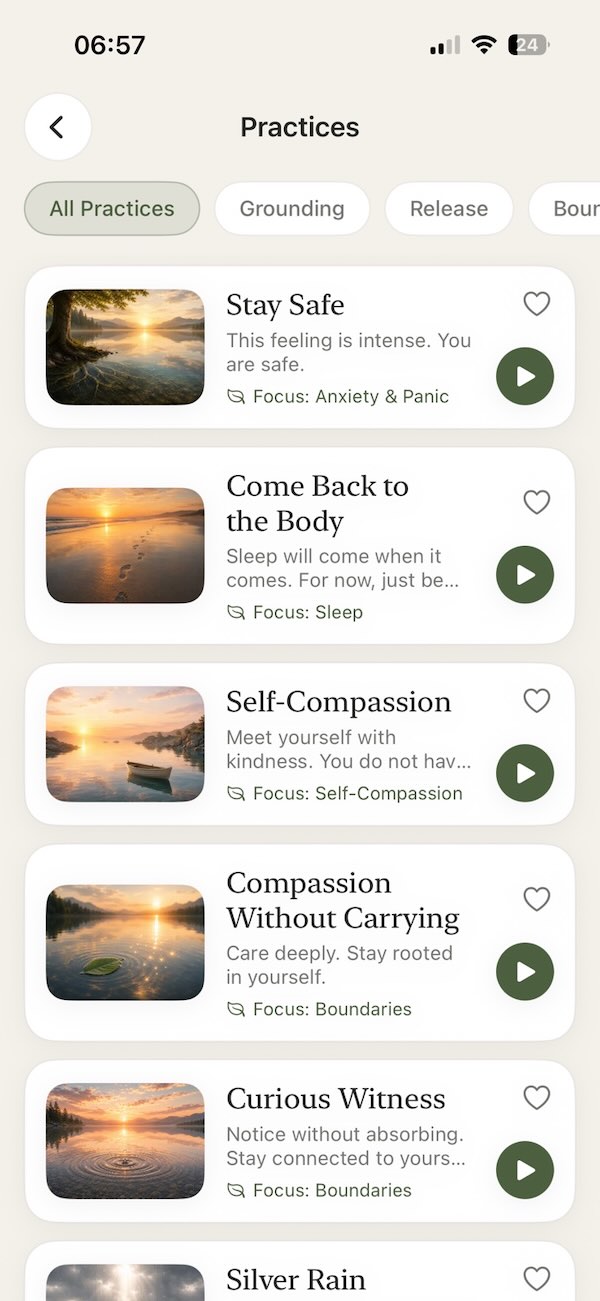
Access the full library of guided practices, tools, and resources anytime, anywhere.
- 10+Guided Practices
- AnxietyRelief Tools
- SleepSupport
- TrackYour Progress
- OfflineAccess
Available on iPhone and iPad