Panic Attack Prevention: How to Reduce Panic and Build Long-Term Recovery
How to reduce panic attacks over time — understanding the panic cycle, lowering the load on your nervous system, and why the goal is resilience, not perfect control.

After experiencing a panic attack, one question often becomes more important than any other: "How do I stop this from happening again?"
It's an understandable question. Panic attacks can feel frightening, overwhelming, and deeply unsettling. Many people leave their first panic attack with a new fear — not fear of the attack itself, but fear of the next one. They begin watching their body, monitoring their breathing, avoiding situations, searching for certainty, trying to prevent panic from ever returning.
If you've been wondering how to prevent panic attacks, you're not alone. And while no one can guarantee that panic will never happen again, there are effective ways to reduce panic attacks, support your nervous system, and build long-term recovery.
Can panic attacks be prevented?
The honest answer is: sometimes — but not always in the way people expect. Many people approach prevention by trying to control every sensation, thought, or circumstance. Unfortunately, this often creates more anxiety, because the nervous system begins treating panic itself as a threat. The goal isn't perfect control. It's creating a nervous system that feels safer, more resilient, and less reactive over time.
The real goal of prevention
Many people think prevention means "I must never feel panic again." A healthier goal is "I want panic to have less power over my life." This shift matters, because fear of panic often becomes part of the panic cycle. The more we fear panic, the more attention we give it; the more attention we give it, the more threatening it feels; the more threatening it feels, the easier it becomes for the alarm system to activate. Recovery often begins when we stop treating panic as an enemy.
Understanding the panic cycle
One of the most effective panic management strategies is understanding how panic develops. For many people, the cycle looks like this:
- A physical sensation appears.
- The sensation feels threatening.
- Fear increases.
- More symptoms appear.
- The brain interprets this as danger.
- Panic escalates.
The cycle often continues because fear is feeding fear. Learning to recognize this pattern is one of the most powerful prevention techniques available.
Reduce the load on your nervous system
Panic attacks rarely happen in isolation. They often occur when the nervous system has been carrying more than it can comfortably manage — chronic stress, lack of sleep, emotional overwhelm, burnout, major life changes, constant pressure. One of the best long-term strategies is reducing the overall burden on your nervous system. Ask yourself: Am I getting enough rest? Am I carrying too much responsibility? Am I constantly rushing? Have I had time to recover recently? The goal isn't perfection — it's giving your system more opportunities to feel safe.
Learn your triggers
Many people benefit from understanding their panic triggers, which commonly include sleep deprivation, excessive caffeine, chronic stress, health anxiety, conflict, overstimulation, and emotional exhaustion. Understanding triggers isn't about avoiding life — it's about recognizing patterns. Awareness creates choice, and choice creates flexibility.
Practice breathing before you need it
Breathing exercises work best when they become familiar, so don't wait until panic arrives. A few minutes of daily practice can help train the nervous system toward regulation. Simple exercises include slow breathing, extended exhale breathing, box breathing, and diaphragmatic breathing. These practices support long-term nervous system resilience.
Use grounding regularly
Grounding isn't only for panic attacks — it's a daily nervous system skill. Simple practices include noticing your surroundings, feeling your feet on the floor, paying attention to physical sensations, and spending time in nature. The more familiar grounding becomes, the easier it is to access when anxiety rises.
Stop monitoring your body constantly
After panic attacks, many people become highly aware of physical sensations, checking their heart rate, breathing, dizziness, chest sensations, and bodily changes. This is understandable, but constant monitoring can unintentionally keep the alarm system active — the nervous system learns, "These sensations must be dangerous because we're watching them all the time." Recovery often involves gradually trusting the body again.
Avoidance feels helpful — at first
Many people try to avoid panic by avoiding situations: driving, crowds, travel, exercise, public places. Avoidance creates temporary relief, but it often strengthens long-term fear, because the nervous system learns, "If I'm avoiding this, it must be dangerous." One of the most effective long-term strategies is gradually rebuilding confidence rather than shrinking your life.
Build recovery into daily life
Many people think prevention happens only when anxiety appears. In reality, it often happens during ordinary moments.
Sleep
Sleep is one of the most powerful forms of nervous system regulation.
Movement
Walking, stretching, and exercise help release accumulated stress.
Connection
Humans regulate through relationships. Support matters.
Rest
Recovery is not laziness — it's maintenance for the nervous system.
What about panic disorder?
If you experience recurring panic attacks, you may wonder whether recovery is possible. The answer is yes. Many people recover from panic disorder — not because they eliminate every anxious sensation, but because they learn how panic works, how to respond differently, how to regulate the nervous system, and how to reduce fear of panic itself. The less threatening panic becomes, the less power it often holds.
What if a panic attack happens again?
This may be the most important point, because recovery isn't built on guarantees. You can't guarantee that panic will never happen again — but you can develop confidence that if it does, you'll know what to do. This changes everything. The goal isn't "I must never panic." The goal is "I can handle panic if it happens." That belief creates freedom.
Signs that prevention is working
Progress is often quieter than people expect. You may notice less fear of physical sensations, fewer panic-related thoughts, less avoidance, faster recovery from anxiety, more trust in your body, and more confidence in yourself. These are meaningful signs of healing, even when they happen gradually.
Final thoughts
Panic attack prevention isn't about controlling every thought, feeling, or sensation — it's about supporting your nervous system in a way that reduces fear and builds resilience. You don't need to spend your life preparing for panic. You don't need to stay on alert all the time. You don't need to make your world smaller. The goal isn't perfect certainty — it's trust: trust in your body, trust in your nervous system, trust in your ability to move through difficult moments. One breath. One day. One small step at a time.
Try a gentle practice
Panic rarely appears out of nowhere — often there are thoughts, sensations, and patterns that begin long before it arrives. The more gently you learn to notice them, the more opportunities you have to respond with awareness rather than fear. Observe is a gentle practice for moments when anxiety begins to grow: step back, notice what's happening, and reconnect with the present before the cycle of panic takes hold.

Try the practice
Observe
Let's step back and see more clearly
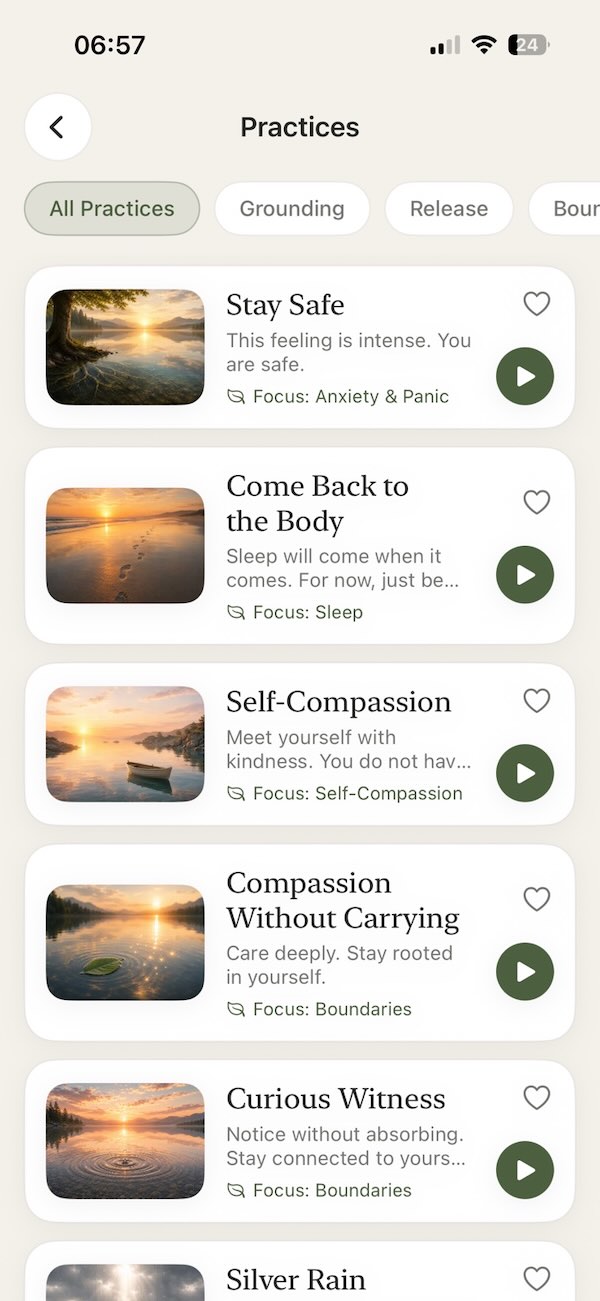
Ready for more support?
Continue your journey in Aira
Access the full library of guided practices, tools, and resources anytime, anywhere.
- 10+Guided Practices
- AnxietyRelief Tools
- SleepSupport
- TrackYour Progress
- OfflineAccess
Available on iPhone and iPad