Relaxation Techniques: How to Truly Relax Your Body and Mind
What real relaxation is, why it's a learnable skill, and the relaxation techniques — muscle release, breathing, body scan, visualisation — that truly work.

Many of us are surprisingly bad at relaxing. We collapse in front of a screen or scroll through our phones, then wonder why we still feel wound up. True relaxation — the kind that actually calms your body and settles your nervous system — is a little different, and it's a skill you can learn. The good news is there are simple, proven relaxation techniques that genuinely work.
This is a guide to relaxation techniques: what real relaxation is, why it matters, and the methods that help you truly unwind.
What real relaxation actually is
There's a difference between distraction and relaxation. Distraction — scrolling, watching, keeping busy — occupies your mind but often leaves your body still tense and activated. True relaxation is a physiological state: your nervous system shifting out of stress mode and into calm, with your muscles softening, breathing slowing, and heart rate settling. Relaxation techniques are simply reliable ways to switch your body into that calm state on purpose, rather than waiting and hoping it happens.
Why relaxation is a skill
If you've been stressed for a long time, your body can almost forget how to relax — staying braced even when there's nothing to brace against. This is why 'just relax' is such useless advice: a wound-up system doesn't drop its guard on command. Relaxation techniques work by actively guiding the body into calm, step by step, and the more you practise them, the more easily your system learns to let go. Like any skill, relaxation gets easier with repetition.
Body-based relaxation techniques
The most effective relaxation techniques work through the body. Progressive muscle relaxation — tensing and then releasing each muscle group in turn — systematically releases physical tension and is one of the most reliable methods (it has its own guide). Slow breathing with a long exhale directly switches on the relaxation response. A body scan — moving your attention gently through the body, softening as you go — releases tension you didn't know you were holding. Gentle stretching eases the body and the mind together. These all work bottom-up: relax the body, and the mind follows.
Calming the mind
Relaxation also has a mental side. Visualisation — picturing a calm, safe place in vivid sensory detail — can shift your state surprisingly quickly. Gentle, present-moment attention (mindfulness) helps unhook you from the spinning thoughts that keep you tense. And simply giving yourself full permission to do nothing, without guilt, is itself deeply relaxing for an overstimulated mind. The aim isn't to empty your head, but to let it slow and soften.
Building relaxation into your life
Relaxation works best as a regular practice, not just an emergency measure. Building in small, genuine pauses — a few minutes of breathing, a short body scan, a real break — keeps your baseline stress lower over time. It helps to protect this time, since true relaxation rarely happens by accident in a busy life. Even a few minutes a day of real, body-deep relaxation — rather than just distraction — gradually trains your system toward calm. Find the techniques you enjoy enough to keep doing.
Final thoughts
Real relaxation isn't about zoning out — it's about actively helping your body and mind drop out of stress and into calm, and it's a skill that grows with practice. With a few reliable techniques — releasing tension, slow breathing, a calm image, real permission to rest — you can learn to truly unwind, not just distract yourself. Your body remembers how to relax; sometimes it just needs gentle guidance back. One softening, one real pause at a time.
Try a gentle practice
True relaxation begins with letting your body release the tension it's been holding. Soften is a gentle practice for exactly that — a guided way to ease physical tension and let your body drop out of stress and into genuine, settled calm.

Try the practice
Soften
Let's release what you are holding
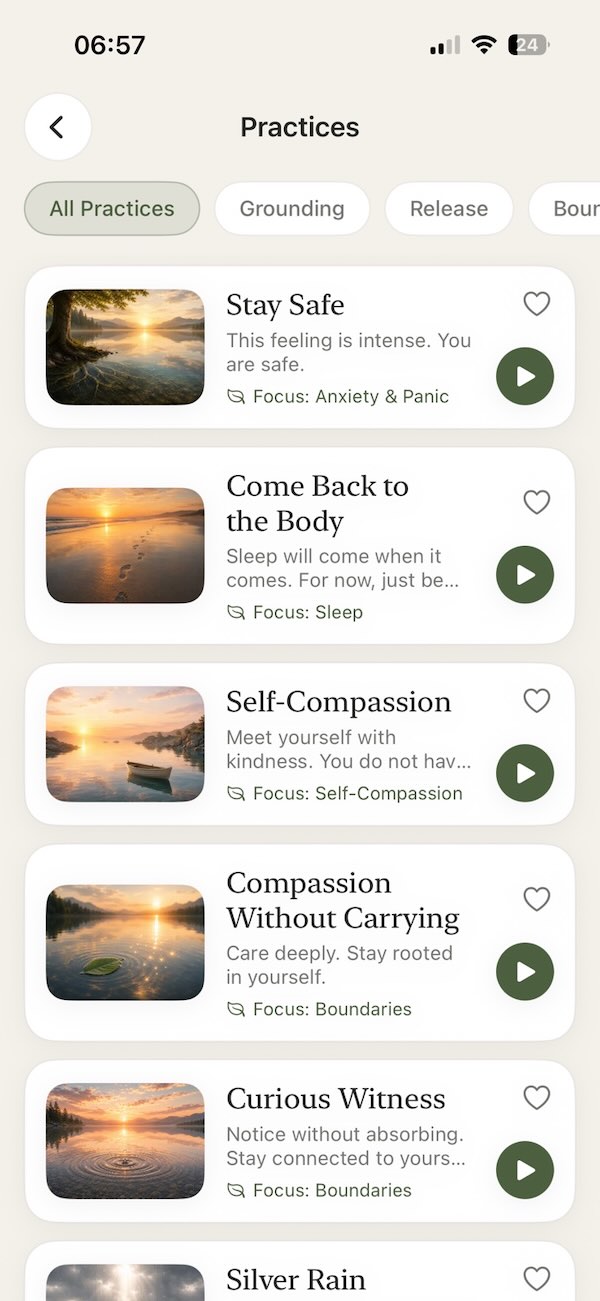
Ready for more support?
Continue your journey in Aira
Access the full library of guided practices, tools, and resources anytime, anywhere.
- 10+Guided Practices
- AnxietyRelief Tools
- SleepSupport
- TrackYour Progress
- OfflineAccess
Available on iPhone and iPad