Stress Management: A Daily Approach to Keeping Stress in Check
What stress management is, and a sustainable daily approach — reducing stressors, building recovery, and strengthening your capacity to cope over time.

Quick stress relief helps in the moment, but if stress keeps building back up, the real work is in how you manage it day to day. Stress management is the bigger picture: the ongoing habits, choices, and adjustments that keep your overall stress at a manageable level, rather than just putting out fires. It's less about any single technique and more about how you live.
This is a guide to stress management: a sustainable, daily approach to keeping stress in check.
What is stress management?
Stress management is the practice of keeping your overall stress at a healthy level over time — through how you handle demands, recover, and look after yourself. Where stress relief is what you do in a stressful moment, stress management is the longer game: reducing unnecessary stress, building in recovery, and strengthening your capacity to cope, so stress doesn't accumulate into something heavier. It's the difference between bailing water and fixing the leak.
Reduce the stress you can
A big part of managing stress is lowering the load where it's possible. That means noticing your main stressors and asking which you can change, reduce, or let go of — not everything is fixed. Boundaries help enormously: saying no, not overcommitting, protecting your time and energy (boundaries have their own dedicated guides). So does easing the pressure you put on yourself through perfectionism or overcommitment. You can't remove all stress, but most people are carrying some they don't have to.
Build in regular recovery
Since stress comes from demands outpacing recovery, managing it means deliberately building recovery in. That's genuine rest and downtime, protected rather than left to chance. It's good sleep, which is the foundation of stress resilience. It's small pauses through the day, not just one collapse at the end. And it's things that replenish you — movement, nature, connection, things you enjoy. Recovery isn't a reward for getting through stress; it's what keeps stress from building in the first place.
Strengthen your capacity to cope
Stress management also means raising your overall resilience, so the same demands affect you less. Regular practices that calm the nervous system — breathing, relaxation, grounding — widen your capacity over time (calming the nervous system has its own section). So do the basics: eating reasonably, moving regularly, limiting things that wind you up like excess caffeine, alcohol, or doomscrolling. And so does how you relate to stress mentally — meeting yourself with self-compassion rather than pressure. A stronger, better-resourced system simply handles more.
Make it a daily rhythm
The key to stress management is that it's ongoing, woven into normal life rather than saved for crises. Small, regular habits — a daily walk, a few minutes of breathing, protected downtime, a regular check-in with how you're doing — do far more over time than occasional big efforts. It helps to notice your stress signals early and respond before things pile up. Managed as a daily rhythm, stress stays something you handle, rather than something that handles you.
Final thoughts
Stress management isn't about eliminating stress or adding one more thing to do — it's about shaping your days so stress stays manageable: reducing what you can, recovering regularly, and building the capacity to cope. Done consistently, in small ways, it keeps stress from quietly accumulating into overwhelm or burnout. You have more influence over your stress levels than it often feels, not through heroics, but through steady, daily care. One habit, one recovery, one manageable day at a time.
Try a gentle practice
Managing stress well starts with noticing your stress levels early, before they build. Observe is a gentle practice for exactly that — a way to check in regularly with how you're doing, with calm and honest attention, so you can respond to stress as a daily rhythm rather than wait for it to overwhelm you.

Try the practice
Observe
Let's step back and see more clearly
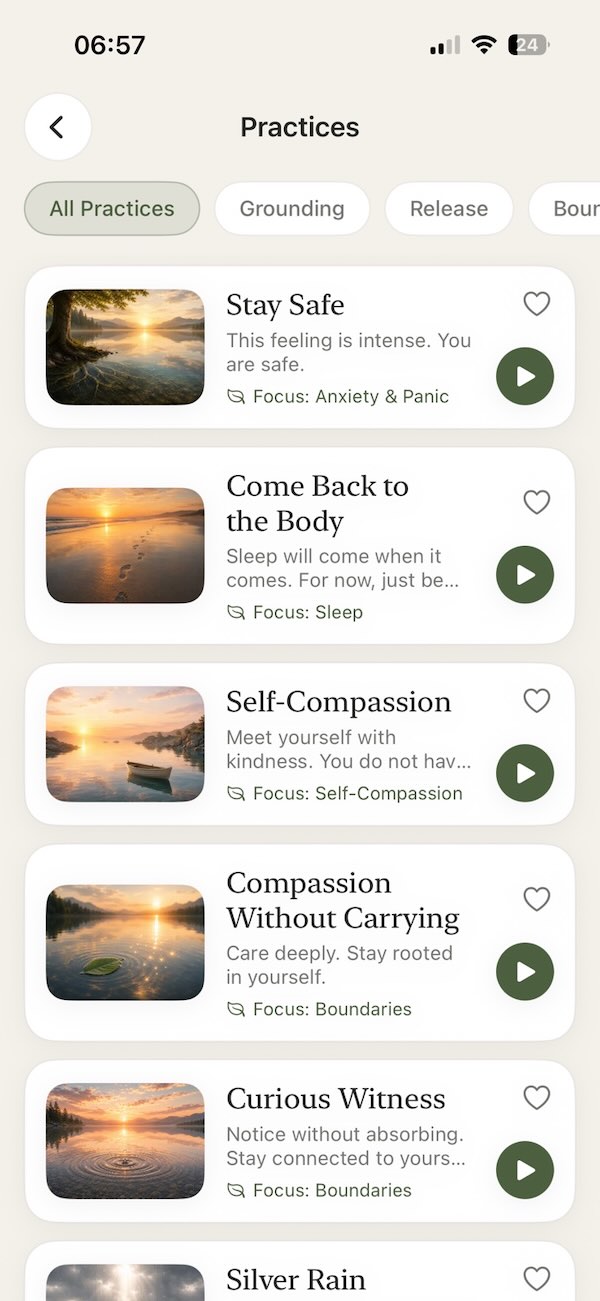
Ready for more support?
Continue your journey in Aira
Access the full library of guided practices, tools, and resources anytime, anywhere.
- 10+Guided Practices
- AnxietyRelief Tools
- SleepSupport
- TrackYour Progress
- OfflineAccess
Available on iPhone and iPad