Are Panic Attacks Dangerous? What Panic Can and Can't Do
Panic attacks feel terrifying and physically intense — but are they actually dangerous? What panic can and can't do to your body, and when to seek medical care.

In the middle of a panic attack, one thought tends to roar louder than all the others: "Something is seriously wrong — am I about to die?" The heart pounds, the chest tightens, breathing feels impossible, and the whole body screams danger. So it's a completely understandable question to ask afterward: are panic attacks actually dangerous?
The short answer is reassuring. Let's go through it carefully — including the questions that frighten people most.
Are panic attacks dangerous?
For the vast majority of people, panic attacks are not physically dangerous. They are intensely unpleasant and can feel life-threatening, but the experience is the body's alarm system firing — not the body breaking down. A panic attack is a surge of the same fight-or-flight response that would help you in a real emergency; the problem is that it has switched on when there's no actual threat. The sensations are real. The danger usually is not.
Why panic feels so dangerous
Panic feels dangerous because it's designed to. The fight-or-flight response evolved to protect you from genuine threats, so it produces dramatic, full-body changes: a racing heart to move blood to your muscles, fast breathing to take in oxygen, heightened senses, tense muscles. Your body is doing exactly what it would do if you were in danger — which is precisely why it feels like you must be. The intensity is convincing, but intensity isn't the same as harm.
Can you die from a panic attack?
No — a panic attack itself cannot kill you. The response is self-limiting: the body cannot sustain that level of arousal, so panic always peaks and then falls. What makes this question feel complicated is that some symptoms of panic overlap with those of serious medical events. So while panic itself isn't deadly, it's still wise to get unexplained or unusual symptoms checked, especially the first time, so you know exactly what you're dealing with.
Can a panic attack cause a heart attack?
In a person with a healthy heart, a panic attack does not cause a heart attack, even though the chest symptoms can feel alarmingly similar. The two can be very hard to tell apart in the moment, however, and there is no safe way to self-diagnose a heart problem. If you have new, severe, or unfamiliar chest symptoms — or you simply aren't sure — treat it as an emergency and seek medical help. Being checked and reassured can also reduce the fear that feeds future panic.
Can you faint during a panic attack?
Most people don't faint during a panic attack. Fainting usually happens when blood pressure drops, whereas panic tends to raise heart rate and blood pressure — the opposite pattern. The feeling of being about to faint is very common in panic, but actually fainting is not. One exception is people who faint specifically at the sight of blood or needles, where a different reflex is involved.
Can you stop breathing or suffocate?
No. During panic, breathing speeds up and can feel tight or impossible, and many people fear they'll suffocate. But your body keeps breathing automatically, and you are taking in plenty of air — often more than you need. The breathless feeling comes from over-breathing (hyperventilation), not from a lack of oxygen. Slowing down and lengthening the exhale helps rebalance things and eases the sensation.
Can you lose control or go crazy?
This is one of the most common fears, and the answer is no. Panic can make you feel detached, dizzy, or frightened of "losing it," but it does not cause people to lose their minds or permanently lose control. These frightening feelings are part of the alarm response, and they pass as the wave subsides.
When panic can cause harm
Although a panic attack isn't physically dangerous in itself, panic that goes unaddressed can affect life in indirect ways — through avoidance that gradually shrinks your world, exhaustion from constant vigilance, and the distress of living in fear of the next attack. This is why support matters: not because panic is destroying your body, but because you deserve to feel free in your own life. And ruling out medical causes early means you can respond to panic without that lingering doubt.
The fuller picture
At the peak of an attack, one thought drowns out everything else: something is seriously wrong with my body — I'm about to die, or lose my mind. It feels true for a simple reason: your body is producing the exact sensations it would in a real emergency — pounding heart, tight chest, air hunger — so the mind concludes there must be a real emergency to match them.
But those sensations are the alarm system doing its job, not the body breaking down. Panic is the fight-or-flight response — the same surge that would help you flee real danger — firing when there's nothing to flee. That's why intensity keeps getting mistaken for harm: it's built to feel total and urgent precisely so you'd act on it. And notice what the response can't do — it's self-limiting. The body can't hold that level of arousal, so panic always peaks and falls on its own; it doesn't build toward collapse, it burns itself out. The terror is real; the catastrophe it predicts is not. One honest caveat the fear likes to exploit: because some panic sensations overlap with genuine medical events, getting new, severe, or unfamiliar symptoms checked is wise — not because panic is dangerous, but so you can meet it without that lingering doubt.
When to seek medical help
Reassurance shouldn't replace medical care when it's genuinely needed. Seek prompt or emergency help if symptoms are new and you've never been checked, if chest pain is severe or spreading, if you have a known heart condition, if symptoms feel different from your usual panic, or if you're simply unsure whether it's panic at all. It's always reasonable to get checked — knowing the cause is part of feeling safe.
Frequently asked questions
Are panic attacks dangerous?
For most people, no. Panic attacks are extremely unpleasant and feel dangerous, but they're the body's alarm response firing without a real threat — not a sign the body is failing. The sensations are real; the danger usually is not.
Can you die from a panic attack?
No, a panic attack itself cannot kill you — the response is self-limiting and always peaks and passes. Because some symptoms overlap with serious conditions, though, it's wise to get new or unusual symptoms checked so you know what you're dealing with.
Can a panic attack cause a heart attack?
In a healthy heart, no — though panic and heart problems can feel similar and can't be reliably told apart on your own. If chest symptoms are new, severe, or unfamiliar, or you're unsure, treat it as an emergency and seek medical help.
Can you faint or stop breathing during a panic attack?
Both are very unlikely. Panic usually raises blood pressure rather than dropping it, so fainting is uncommon, and your body keeps breathing on its own — the breathless feeling comes from over-breathing, not from a lack of air.
Why do panic attacks feel so life-threatening if they're not dangerous?
Because the fight-or-flight response is built to feel urgent and total. It produces dramatic, full-body changes meant to save you from real danger, so your body reacts as though there must be a threat. The intensity is convincing, but it isn't evidence of harm.
Try a gentle practice
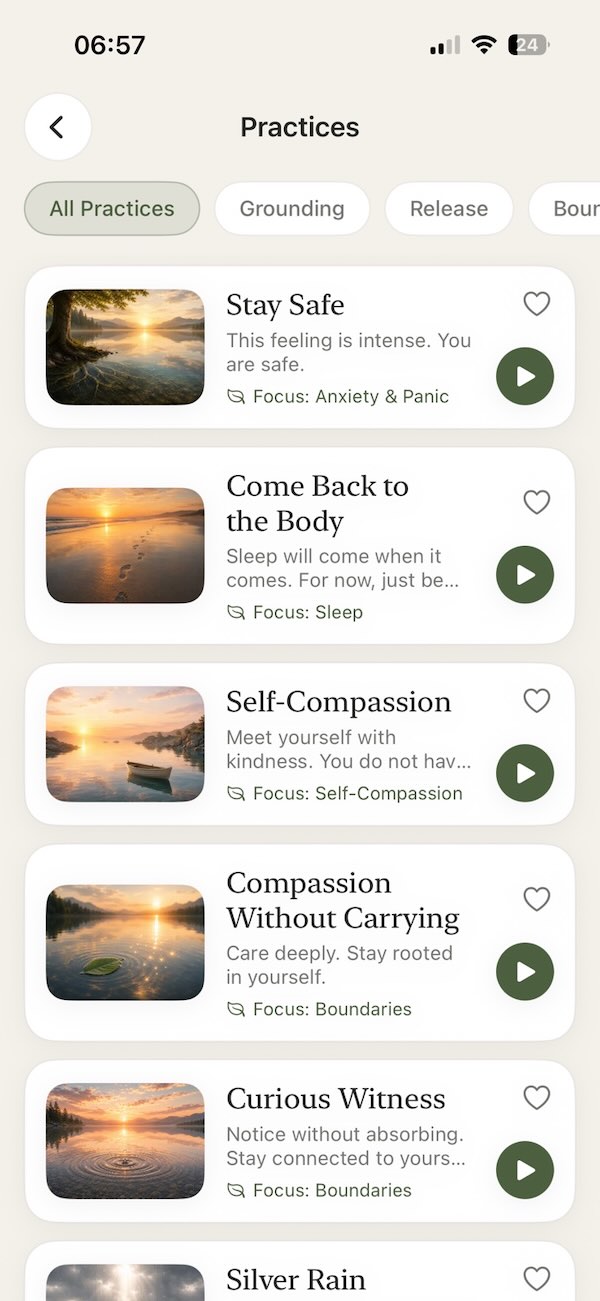
Knowing panic isn't dangerous is one thing; helping your body feel that is another. Stay Safe is a gentle guided practice designed to calm the body, slow the breath, and remind your nervous system that you are safe — a place to return to when panic insists otherwise.

Try the practice
Stay Safe
Find solid ground when panic feels overwhelming.
Ready for more support?
Continue your journey in Aira
Access the full library of guided practices, tools, and resources anytime, anywhere.
- 10+Guided Practices
- AnxietyRelief Tools
- SleepSupport
- TrackYour Progress
- OfflineAccess
Available on iPhone and iPad