How Long Does a Panic Attack Last?
How long a panic attack typically lasts, why it peaks and falls within minutes, why it can feel far longer, and how long the lingering after-effects take to ease.

In the middle of a panic attack, time seems to break. Minutes stretch out, the fear feels endless, and one desperate thought often surfaces: "When will this stop?" So it's one of the most searched questions about panic: how long does a panic attack actually last?
The answer is reassuring, and worth holding onto: panic attacks are intense, but they are also short and self-limiting. Let's look at the timeline.
How long does a panic attack last?
Most panic attacks peak within about ten minutes and then begin to ease. Many are shorter still, lasting only a few minutes from start to finish. While that can feel like a very long time in the moment, it means the most intense part of a panic attack is genuinely brief — it rises quickly, crests, and starts to fall, rather than staying at full force.
The phases of a panic attack
A panic attack tends to move through a shape, almost like a wave. It begins with a rise — the first surge of fear and physical symptoms, often building fast. It reaches a peak — the point of greatest intensity, usually within minutes, where the heart pounds hardest and the fear feels overwhelming. Then comes the fall — the body cannot sustain that level of arousal, so the symptoms begin to subside, sometimes quickly, sometimes more gradually. Knowing the shape helps: when you're in the rise or the peak, the fall is already on its way.
Why a panic attack can't last forever
Panic relies on a flood of stress hormones, especially adrenaline. The body simply cannot keep producing that surge indefinitely — the system is self-limiting. Adrenaline is also cleared from the body fairly quickly, which is one reason the peak passes. This is why no panic attack, however terrifying, stays at full intensity forever. Your body is built to bring it back down.
Why it can feel much longer than it is
If a panic attack peaks in minutes, why do people often feel they last far longer? A few reasons. Fear distorts our sense of time, so minutes can feel like much more. The body's after-effects — a shaky, drained, on-edge feeling — can linger long after the peak has passed, blurring where the attack ended. And sometimes what feels like one endless attack is actually several waves close together. The peak itself is short; the surrounding experience can stretch out.
Can a panic attack last for hours?
A single, true panic attack — that sharp surge of fear — doesn't usually last for hours. When people describe panic lasting hours, they're often experiencing one of two things: repeated waves of panic arriving in succession, or a panic attack followed by a long tail of high anxiety. That ongoing anxiety is real and exhausting, but it's a different, lower-intensity state than the acute spike of the attack itself. Distinguishing the two can make the experience feel more manageable.
How long do the after-effects last?
Once the peak passes, it's common to feel drained, shaky, tearful, tense, or emotionally raw for a while — sometimes minutes, sometimes hours. This recovery period is normal; your nervous system has just worked extremely hard, and it needs time to settle. Being gentle with yourself afterward — rest, water, a slower pace — helps the after-effects fade.
What can make a panic attack pass sooner
You can't force a panic attack to stop on command, but you can avoid prolonging it. Fighting the panic, or piling fear on top of fear ("why won't this stop?"), tends to keep the alarm switched on. Letting the wave rise and fall, slowing your exhale, and grounding your attention in the present all help the body move through it rather than getting stuck. Often the fastest way out is to stop struggling against it.
When to seek help
If a feeling of panic genuinely doesn't ease at all over a long period, if symptoms are severe or unfamiliar, or if you're ever unsure whether what you're experiencing is panic or something medical, it's reasonable to seek medical advice. And if panic attacks are frequent or affecting your life, a doctor or therapist can help — panic responds well to support.
Frequently asked questions
How long does a panic attack last?
Most panic attacks peak within about ten minutes and then begin to ease, and many last only a few minutes overall. The most intense part is genuinely brief, even though fear can make it feel much longer.
Can a panic attack last for hours?
A single panic attack rarely lasts hours. When panic seems to last that long, it's usually several waves arriving in succession, or a short attack followed by a long tail of lower-intensity anxiety — which is real but different from the acute spike itself.
Why does my panic attack feel like it won't end?
Fear distorts time, and the drained, on-edge after-effects can linger past the peak, so an attack feels longer than it is. Fighting the panic or fearing the fear can also keep the alarm switched on — allowing the wave to pass often shortens it.
How long do panic attack symptoms last afterward?
After the peak passes, you may feel shaky, drained, tense, or emotionally raw for anything from a few minutes to a few hours. This recovery period is normal as the nervous system settles, and gentleness with yourself helps it fade.
How can I make a panic attack pass faster?
You can't stop it on command, but you can avoid prolonging it: let the wave rise and fall instead of fighting it, lengthen your exhale, and ground your attention in the present. Often the quickest route through is to stop struggling against it.
Try a gentle practice
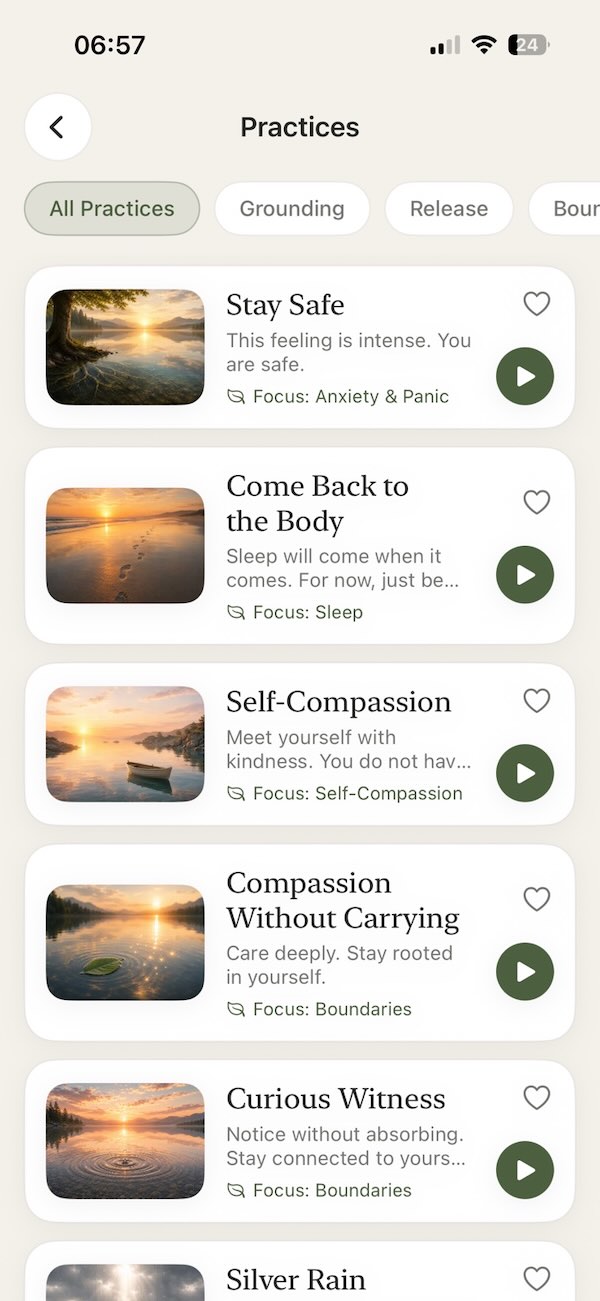
Knowing a panic attack will pass is easier when you have something steady to do while it does. Stay Safe is a gentle guided practice designed to calm the body, slow the breath, and carry you through the wave — a place to return to until the peak passes and the calm returns.

Try the practice
Stay Safe
Find solid ground when panic feels overwhelming.
Ready for more support?
Continue your journey in Aira
Access the full library of guided practices, tools, and resources anytime, anywhere.
- 10+Guided Practices
- AnxietyRelief Tools
- SleepSupport
- TrackYour Progress
- OfflineAccess
Available on iPhone and iPad