Panic Attack Symptoms: What a Panic Attack Really Feels Like
A clear look at what a panic attack actually feels like — the racing heart, chest tightness, dizziness and dread — why the sensations are so physical, and how long they last.

A panic attack can be one of the most frightening experiences a person can have. Your heart races. Your chest feels tight. Your breathing changes. Your body feels out of control. And a terrifying thought may appear: "Something is seriously wrong."
Many people experiencing their first panic attack believe they are having a medical emergency. Some fear they're having a heart attack; others fear they're losing control, going crazy, or about to collapse. If you've been wondering "Was that a panic attack?" or "What does a panic attack feel like?", understanding the symptoms can make the experience feel less confusing and less frightening.
What is a panic attack?
A panic attack is a sudden surge of intense fear or alarm that activates the body's survival system. The nervous system behaves as though immediate danger is present. The problem is that in most panic attacks, there is no actual physical threat — your body is responding to a false alarm. The sensations are real; the danger usually is not.
Panic attacks often peak within several minutes, though the experience can feel much longer while it's happening.
What does a panic attack feel like?
People describe panic attacks in many different ways: "It felt like I couldn't breathe." "I thought I was having a heart attack." "I felt completely out of control." While every experience is unique, several symptoms are common.
Common panic attack symptoms
Symptoms may include:
- racing heart
- chest tightness
- shortness of breath
- dizziness
- shaking
- sweating
- nausea
- tingling sensations
- feeling detached from reality
- fear of losing control
- fear of dying
- intense feelings of dread
Not everyone experiences every symptom. Some people notice only a few; others experience many at once.
A racing heart
One of the most common signs is a rapid heartbeat — pounding in the chest, strong heartbeats, or an awareness of every beat. This happens because the nervous system releases stress hormones that prepare the body for action, and the heart pumps faster to move blood throughout the body. Although it can feel frightening, it's a common part of the panic response.
Chest pain and tightness
Chest discomfort is one of the symptoms that causes the most fear. It may feel like pressure, tightness, heaviness, discomfort around the ribs, or difficulty taking a full breath. When the stress response activates, muscles around the chest can tighten, and changes in breathing can add to the discomfort.
Because chest symptoms can sometimes have medical causes, new or concerning symptoms should always be evaluated by a healthcare professional. That said, chest tightness is also one of the most common physical symptoms of panic.
Dizziness
Many people feel lightheaded, unsteady, disconnected, or as though they might faint. Changes in breathing patterns often contribute to dizziness. The sensation can feel alarming, but it's a very common symptom of panic.
Shaking
Shaking happens because the body is preparing for action — trembling hands, shaky legs, internal shaking, or muscle vibrations. The body is activating energy it would normally use to respond to danger; when there's no danger to respond to, that energy can show up as shaking.
Nausea
The digestive system is closely connected to the nervous system. During panic, digestion often slows as the body prioritizes survival, which can create nausea, stomach discomfort, butterflies, or digestive upset. This is extremely common and doesn't necessarily indicate a physical illness.
Mostly physical symptoms
Many people are surprised by how physical panic feels — some experience almost entirely physical symptoms: heart racing, chest tightness, dizziness, shaking, sweating, nausea, muscle tension, tingling, shortness of breath. This is one reason panic attacks are so often mistaken for medical emergencies. The body is genuinely responding; it's simply responding to a perceived threat rather than a real one.
Severe symptoms
During intense episodes, people may experience extreme fear, overwhelming dread, strong physical sensations, difficulty thinking clearly, feeling detached from reality, fear of dying, or fear of losing control. These can feel terrifying, but they are often signs of an extremely activated nervous system rather than evidence that something dangerous is happening.
Why panic feels so real
People often ask: "If it's anxiety, why does it feel so physical?" Because panic affects the entire body — the heart, lungs, muscles, digestive system, senses, and brain. The panic response evolved to protect us from danger, so when the alarm activates, the body responds fully. That's why the symptoms feel so convincing. The sensations are real; the emergency usually is not.
How long do symptoms last?
Most panic attacks peak within minutes, after which symptoms usually begin to decrease. Many people experience lingering effects afterward — fatigue, shakiness, emotional sensitivity, muscle tension, feeling drained. This recovery period is normal; your nervous system has been working very hard.
When to seek medical help
Because panic symptoms can resemble other medical conditions, it's important to seek medical evaluation for new symptoms, unexplained chest pain, symptoms that feel unusual for you, or any concerns about your physical health. Getting medical reassurance can help rule out other causes and provide peace of mind.
Final thoughts
Panic attack symptoms can feel intense, frightening, and overwhelming — a racing heart, chest tightness, dizziness, shaking, nausea, fear. These experiences can make it feel as though something terrible is happening. But panic is often the nervous system sounding an alarm that doesn't match the actual level of danger. The sensations are real. The fear is real. The experience is real. And it will pass. One breath. One moment. One wave at a time.
Frequently asked questions
What does a panic attack feel like?
A panic attack usually feels like a sudden flood of intense fear with strong physical sensations — a racing or pounding heart, chest tightness, shortness of breath, dizziness, shaking, sweating, nausea, and a sense of dread or unreality. The sensations are very real, but they come from the body's alarm system switching on, not from a genuine emergency.
What are the physical symptoms of a panic attack?
The most common physical symptoms are a racing heart, chest tightness or pain, shortness of breath, dizziness, shaking, sweating, nausea, and tingling. Many panic attacks feel almost entirely physical, which is part of why they're so often mistaken for a medical problem.
Can a panic attack cause chest pain?
Yes. Chest tightness, pressure, or pain is one of the most common — and most frightening — panic symptoms, usually caused by tense chest muscles and changed breathing. Because chest pain can also have medical causes, any new, severe, or unusual chest pain should be checked by a doctor to be safe.
Is it a panic attack or a heart attack?
They can feel alarmingly similar, and you can't reliably tell them apart on your own — the symptoms overlap too much. There is no safe way to self-diagnose a heart problem, so if you have new, severe, or unfamiliar chest symptoms, or you simply aren't sure what's happening, treat it as a medical emergency and seek help. Reassurance from a doctor can also ease the fear that often fuels future panic.
How long do panic attack symptoms last?
The most intense symptoms usually peak within about ten minutes and then begin to fade, though you may feel drained, shaky, or sensitive for a while afterward. The peak cannot sustain itself — panic rises, crests, and falls.
Try a gentle practice
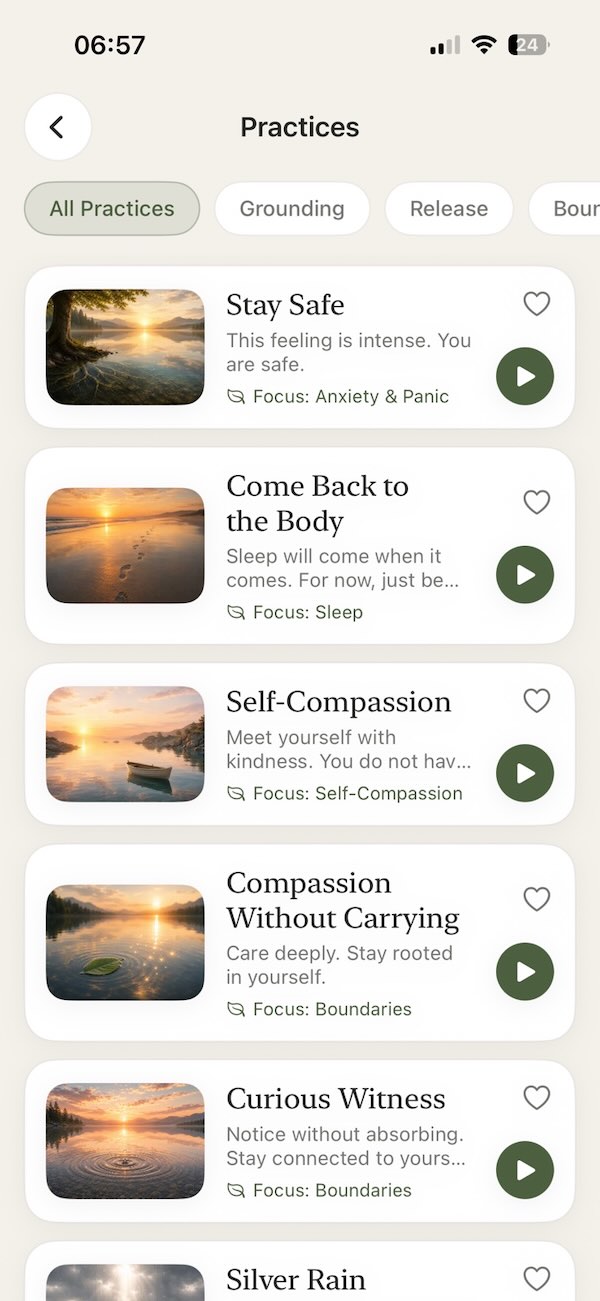
If panic symptoms feel present right now, start with something simple. Stay Safe is a gentle guided practice designed to help calm the body, slow the breath, and support the nervous system during moments of panic — a place to return to when everything feels too intense.

Try the practice
Stay Safe
Find solid ground when panic feels overwhelming.
Ready for more support?
Continue your journey in Aira
Access the full library of guided practices, tools, and resources anytime, anywhere.
- 10+Guided Practices
- AnxietyRelief Tools
- SleepSupport
- TrackYour Progress
- OfflineAccess
Available on iPhone and iPad