What Causes Panic Attacks? Understanding Why Panic Happens
Why panic attacks happen — from stress and accumulated anxiety to subtle triggers and emotions we've carried too long — and why understanding the cause can replace fear with self-understanding.

One of the most common questions people ask after a panic attack is: "Why did this happen?" The experience can feel so intense and unexpected that many people immediately begin searching for an explanation. Was it stress? Anxiety? Something physical? Completely random?
If you've been wondering what causes panic attacks, you're not alone. Understanding why they happen can make them feel less mysterious and less frightening.
What is a panic attack?
A panic attack is a sudden surge of fear, alarm, or intense nervous system activation. The body's survival system switches on rapidly: the heart races, breathing changes, muscles tense, attention narrows, and the body prepares for danger. The challenge is that this response often happens when there's no immediate physical threat — the alarm activates even though you are safe. Understanding this is the first step toward understanding what causes panic.
Why do panic attacks happen?
Panic attacks happen when the nervous system perceives danger or threat. Sometimes that threat is obvious; sometimes it's much less so. The nervous system responds not only to physical danger but also to emotional stress, uncertainty, overwhelm, major life changes, unresolved tension, and accumulated anxiety.
This is why panic can happen even when nothing dangerous is occurring in the moment. The nervous system is responding to what it has been carrying, not only to what's happening right now.
Stress and panic
Stress is one of the most common causes. Many people experience panic during periods of work pressure, relationship difficulties, financial stress, health concerns, caregiving responsibilities, or major life transitions. The nervous system can handle stress for a while, but when stress continues without enough recovery, the body may begin showing signs of overload. Sometimes panic is the nervous system's way of saying: "I have been carrying too much for too long."
When anxiety builds into panic
Anxiety and panic often exist on the same spectrum. Many people live with anxiety for weeks, months, or years before their first panic attack. The body stays alert, the mind stays vigilant, the nervous system stays activated — and eventually the system can become overwhelmed. A panic attack isn't necessarily separate from anxiety; sometimes it's anxiety reaching a level that triggers the body's alarm.
Panic attack triggers
Some triggers are obvious — public speaking, flying, driving, crowded places, conflict, stressful situations. Others are much more subtle: lack of sleep, caffeine, overstimulation, emotional overwhelm, physical exhaustion, unresolved stress. And not every panic attack has a clear trigger — which is important to understand.
Emotional causes
Panic is often connected to emotions carried for a long time. Many people are skilled at pushing through difficult feelings — they keep working, keep caring for others, keep functioning. From the outside, everything may look normal. Inside, the nervous system may be carrying grief, fear, sadness, uncertainty, pressure, or emotional exhaustion. Eventually the body may begin expressing what hasn't been fully processed. The panic isn't coming from nowhere; it may be coming from somewhere much deeper.
Sudden panic attacks
One of the most confusing experiences is panic that appears while you're watching television, driving, shopping, relaxing, or getting ready for bed. This often leads people to believe "it came out of nowhere." But nervous systems rarely do things for no reason — the reason may simply not be obvious. Stress can accumulate quietly, and the body can carry more than the mind realizes. The panic may feel sudden; the process leading to it often is not.
"Panic attacks for no reason"
Many people search: "Why am I having panic attacks for no reason?" The answer is often reassuring. Panic may feel random, but it usually isn't truly random. There may be no single identifiable cause, yet panic often emerges from a combination of factors: chronic stress, accumulated anxiety, lack of recovery, nervous system overload, uncertainty, emotional pressure. The cause may be hidden, but that doesn't mean it doesn't exist.
When panic becomes recurring
Some people have a single panic attack; others begin experiencing recurring ones. Over time, fear of future attacks can become part of the problem. The nervous system starts scanning constantly for danger, and people become highly aware of heartbeat changes, breathing sensations, dizziness, and other physical symptoms. This creates a cycle where fear of panic contributes to more panic — one of the factors involved in panic disorder.
Why panic feels so frightening
Panic often feels dangerous because the body responds as if danger is present. The symptoms are real — the heart races, the chest tightens, breathing changes, the fear feels intense. The nervous system is doing exactly what it was designed to do; the problem is that the alarm has activated at the wrong time. Understanding this can help reduce some of the fear.
What helps the nervous system recover?
When panic happens, many people focus entirely on preventing the next one. But recovery often begins by supporting the nervous system itself: regular sleep, breathing exercises, grounding techniques, reducing overstimulation, movement, emotional support, therapy, mindfulness. These practices don't force panic away — they help create conditions where the nervous system can feel safer and more regulated.
A different question
The next time you ask "Why did I have a panic attack?", try asking "What might my nervous system have been carrying lately?" This question often creates more understanding and less self-blame. Panic is rarely evidence that something is wrong with you. More often, it's evidence that your system has been working very hard.
Final thoughts
Panic attacks can feel sudden, confusing, and frightening — but they rarely happen for no reason. Stress, anxiety, pressure, uncertainty, emotional overload, life transitions: these can all affect the nervous system. Understanding what causes panic doesn't eliminate it overnight, but it can help replace fear with understanding — and understanding is often where recovery begins. One breath. One moment. One step at a time.
Frequently asked questions
Why do panic attacks happen?
Panic attacks happen when the nervous system perceives a threat and switches on the body's alarm — even when there's no real danger. That perceived threat isn't only physical; it can be emotional stress, uncertainty, overwhelm, or anxiety that has been building over time, so panic often reflects what your system has been carrying rather than only what's happening in the moment.
What triggers a panic attack?
Triggers range from the obvious — public speaking, flying, driving, crowds, conflict — to the subtle: poor sleep, caffeine, overstimulation, exhaustion, or unresolved stress. Not every attack has a clear trigger, and that's normal; sometimes panic emerges from accumulated stress rather than a single cause.
Can stress cause panic attacks?
Yes. Ongoing stress is one of the most common contributors. The nervous system can handle pressure for a while, but without enough recovery it can become overloaded — and panic is sometimes the body's way of signalling that it has been carrying too much for too long.
Why am I having panic attacks for no reason?
Panic can feel random, but it usually isn't truly random — the cause is often hidden rather than absent. It frequently emerges from a combination of chronic stress, accumulated anxiety, lack of recovery, and nervous-system overload, so "for no reason" usually means "for a reason that isn't obvious yet."
Why do panic attacks happen suddenly?
Sudden attacks — while relaxing, driving, or falling asleep — can feel like they come out of nowhere, but stress accumulates quietly and the body can carry more than the mind realizes. The panic may arrive suddenly even though the build-up leading to it was gradual.
Try a gentle practice
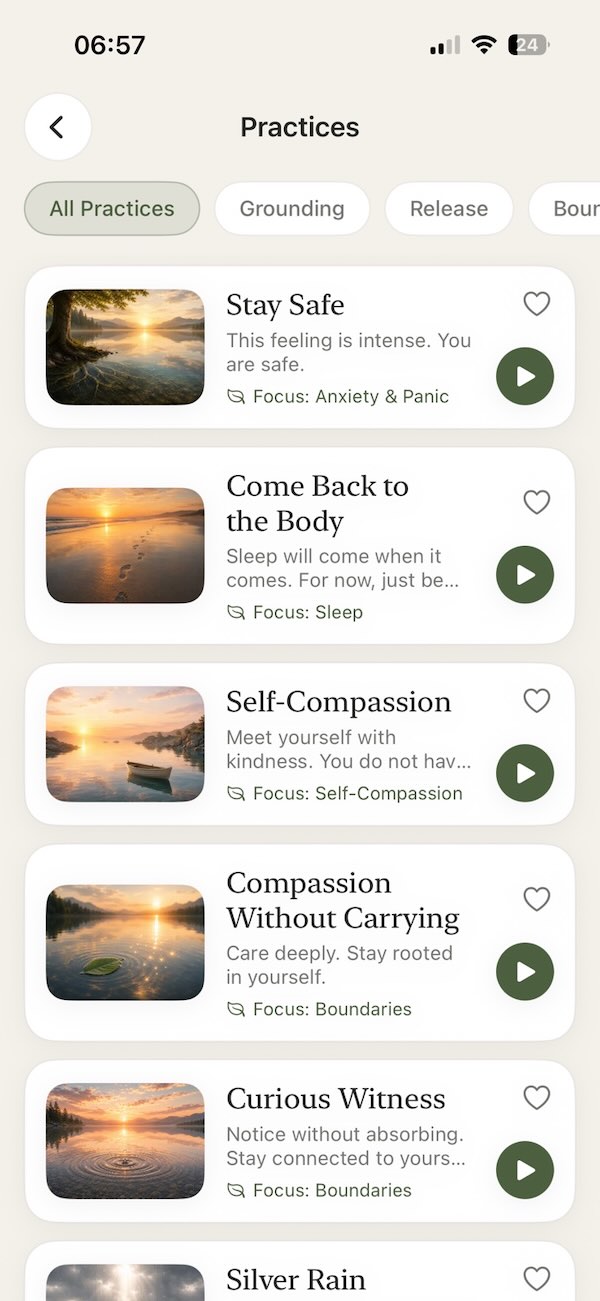
Sometimes understanding why panic happens is helpful; experiencing a sense of safety can be even more powerful. Stay Safe is a gentle guided practice designed to help calm the body, regulate the nervous system, and support you through moments of panic and overwhelm.

Try the practice
Stay Safe
Find solid ground when panic feels overwhelming.
Ready for more support?
Continue your journey in Aira
Access the full library of guided practices, tools, and resources anytime, anywhere.
- 10+Guided Practices
- AnxietyRelief Tools
- SleepSupport
- TrackYour Progress
- OfflineAccess
Available on iPhone and iPad