How to Help Someone Having a Panic Attack
If someone you care about is having a panic attack: how to stay calm, what to say and avoid, simple grounding you can offer, and how to support them afterward.

Watching someone you care about have a panic attack can be frightening and confusing. They may look terrified, struggle to breathe, clutch their chest, or say they feel like they're dying — and you may have no idea what to do. The good news is that you don't need to fix anything or find the perfect words. Your calm, steady presence is often the most helpful thing in the room.
Here's how to support someone through a panic attack, both in the moment and afterward.
First, stay calm yourself
Panic can be contagious — if you react with alarm, it can heighten the other person's fear. So the first step is to steady yourself: slow your own breathing, soften your voice, and remind yourself that although this looks frightening, a panic attack is not dangerous and will pass. Your calm gives their nervous system something safe to borrow from.
Recognise what's happening
A panic attack often comes with a racing heart, rapid breathing, shaking, sweating, dizziness, chest tightness, and intense fear — sometimes a fear of dying or losing control. The person may not be able to explain what's happening or think clearly. Recognising it as panic, rather than assuming the worst, helps you respond with reassurance instead of alarm. That said, if you're ever genuinely unsure whether it's a medical emergency, treat it as one and get help.
What to say
Simple, calm, reassuring words help most:
- "I'm here with you. You're not alone."
- "This is a panic attack. It's horrible, but it will pass."
- "You're safe. I'm not going anywhere."
- "You don't have to do anything right now. Just let it move through."
Keep your sentences short and your tone gentle. You're not trying to talk them out of it — you're reminding them they're safe and not alone.
What not to say
Some well-meaning phrases can make panic worse. Try to avoid:
- "Calm down" or "relax" — it can feel dismissive and impossible to obey.
- "There's nothing to worry about" — it can feel like you don't understand.
- "Just breathe," said with frustration — pressure rarely helps.
- "You're overreacting" — this adds shame to fear.
The person isn't choosing this, and they can't simply switch it off. Patience helps far more than correction.
Help them breathe
Breathing slowly is one of the most effective ways to ease panic, but don't force it. Offer gently: "Want to breathe with me?" Then model a slow rhythm — a gentle inhale and a longer, slower exhale — and let them follow at their own pace. If they can't, that's okay; simply staying beside them is enough.
Help them ground
Grounding brings attention out of frightening thoughts and back to the present. You might gently invite them to feel their feet on the floor, notice a few things they can see or hear, or hold something with an interesting texture. Keep it optional and low-pressure — "if it helps, you could…" — rather than issuing instructions.
After the attack passes
When the wave subsides, the person may feel drained, shaky, embarrassed, or tearful. Be gentle. Avoid interrogating them about why it happened. Let them rest, offer some water, and reassure them that what they went through is common and nothing to be ashamed of. Sometimes the kindest thing afterward is simply staying nearby without making a big deal of it.
Supporting them over time
If someone you love has recurring panic attacks, your steady support matters — but try to balance reassurance with encouragement. Helping them avoid every possible trigger can unintentionally reinforce the fear, so gently support them in facing things at their own pace, and encourage professional help if panic is affecting their life. You can be a source of safety without becoming the only thing that makes them feel safe.
When to get emergency help
Call emergency services if you're not sure whether it's a panic attack or a medical emergency, if it's their first time and symptoms are severe, if there's chest pain you can't account for, if they have a known heart or other relevant condition, if they lose consciousness, or if the symptoms seem different or more severe than their usual panic. When in doubt, it is always safer to get medical help.
Frequently asked questions
What should I say to someone having a panic attack?
Keep it simple and reassuring: "I'm here, you're not alone, this is a panic attack and it will pass, you're safe." Short, calm phrases in a gentle voice help more than explanations or problem-solving. You're reminding them they're safe, not talking them out of the feeling.
What shouldn't I say?
Avoid "calm down," "relax," "there's nothing to worry about," or anything that sounds dismissive or frustrated. The person can't simply switch panic off, and being told to can add shame. Patience and presence help far more than correction.
How long will their panic attack last?
Most panic attacks peak within about ten minutes and then begin to ease, though the person may feel drained for a while afterward. You don't need to make it stop — staying calmly beside them while it passes is genuinely helpful.
Should I call an ambulance?
If you know it's a panic attack and it's following their usual pattern, emergency services usually aren't needed. But if it's their first time, symptoms are severe or unusual, there's unexplained chest pain, they have a relevant medical condition, or you're simply unsure, treat it as an emergency and call for help.
How can I help after the panic attack?
Be gentle and unhurried. Let them rest, offer water, avoid interrogating them, and reassure them there's nothing to be ashamed of. Over time, support them in seeking help if attacks recur, while encouraging them to face situations at their own pace rather than avoiding everything.
Try a gentle practice
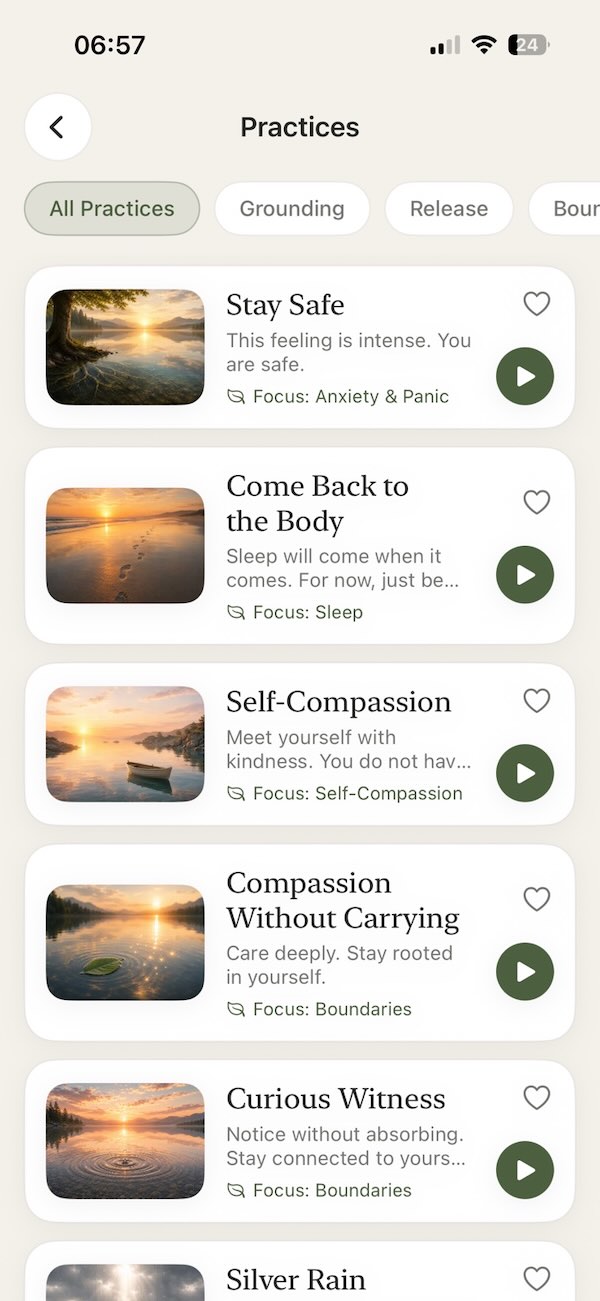
If someone you love struggles with panic, it can help to have a calm, ready tool to turn to together. Stay Safe is a gentle guided practice designed to calm the body, slow the breath, and rebuild a sense of safety — something you can share with them, or use yourself to stay steady while you support them.

Try the practice
Stay Safe
Find solid ground when panic feels overwhelming.
Ready for more support?
Continue your journey in Aira
Access the full library of guided practices, tools, and resources anytime, anywhere.
- 10+Guided Practices
- AnxietyRelief Tools
- SleepSupport
- TrackYour Progress
- OfflineAccess
Available on iPhone and iPad